Easy Vegan Drunken Noodles for Weeknight Cravings
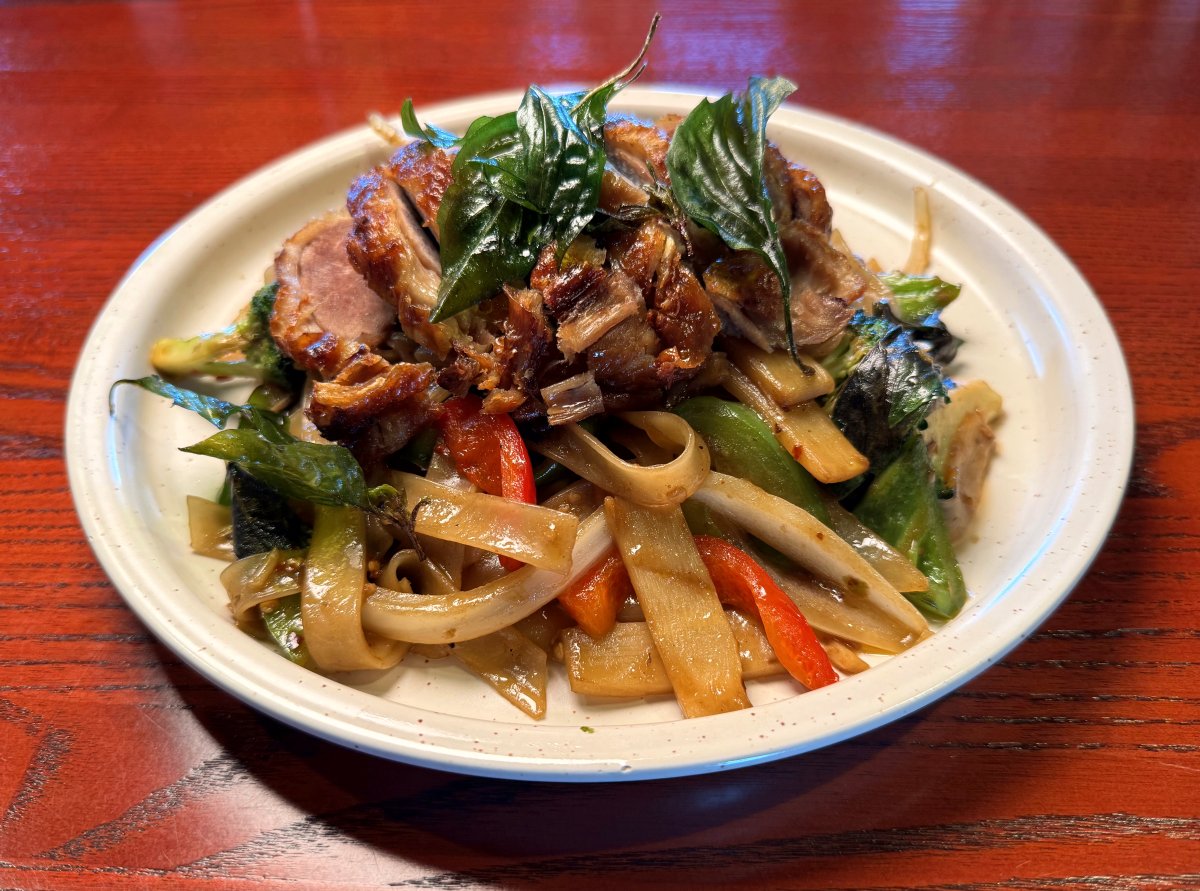

There are weeknight meals you cook because they are practical, and then there are weeknight meals you cook because they feel like a reward. Vegan drunken noodles sit firmly in the second category. They are fast enough to make after work, bold enough to satisfy a real craving, and flexible enough to absorb whatever vegetables or protein you already have in the refrigerator. When done well, they hit several notes at once: savory, salty, lightly sweet, deeply aromatic, and just spicy enough to wake up the palate.
Despite the name, drunken noodles do not usually contain alcohol. The dish is known for its swagger, its heat, and its loose, generous character. Traditionally associated with Thai stir-fried rice noodles, it leans hard on basil, soy-based seasoning, chile, and a hot wok or pan. A vegan version can capture all of that appeal without feeling like a compromise. In fact, if you choose your ingredients carefully and pay attention to timing, the plant-based version can be especially good. Tofu takes on sauce beautifully, mushrooms bring depth, and vegetables give the whole plate freshness that balances the richness.
The reason this dish works so well on busy nights is that it rewards decisiveness more than complexity. Once the noodles are soaked or cooked and the sauce is mixed, the actual stir-fry moves quickly. Five or six minutes at the stove can produce a bowl of noodles that tastes like something you planned all day.
What makes drunken noodles different
Plenty of noodle dishes promise heat and flavor, but drunken noodles have a particular identity. They are not delicate. They are not subtle. They are meant to be a little messy, a little glossy, and very fragrant. Wide rice noodles are the classic choice because they catch sauce on their slick surfaces and provide enough chew to stand up to strong seasoning.
The basil matters more than many people realize. This is not just a garnish tossed on top for color. It is one of the defining flavors of the dish. Thai basil is ideal because it brings a slight anise character and holds its shape in the pan better than tender Italian basil. That said, if Thai basil is hard to find, regular basil is still worth using. The dish will taste different, but it will still taste good.
Heat is another signature. Drunken noodles should have a little edge. Not an act of punishment, just enough chile to keep each bite lively. In restaurant kitchens, this often comes from fresh bird’s eye chiles pounded with garlic. At home, especially on a weeknight, sliced fresh chile, chile flakes, or even sambal can all do the job. The best version is the one you will actually make on a Tuesday when you are hungry.
Building a vegan sauce that still tastes full
The hardest part of veganizing many Southeast Asian noodle dishes is replacing fish sauce without flattening the flavor. Fish sauce brings salinity, funk, and depth all at once. If you simply leave it out and increase the soy sauce, the result often tastes one-dimensional. It will be salty, yes, but not especially interesting.
The fix is to layer seasoning instead of relying on a single bottle. Soy sauce gives salt and color. A little dark soy sauce, if you have it, adds deeper caramel notes and that restaurant-style bronze sheen. Mushroom sauce or vegetarian oyster sauce contributes body and savoriness. A touch of sugar rounds off the sharper edges. Lime can be useful, though I usually add it at the table rather than directly into the pan, because too much acidity too early can muddle the sweet-savory balance.
If you keep a pantry with miso, that can help too. A small amount whisked into the sauce adds a bass note that mimics some of the complexity people miss when fish sauce is absent. It is not traditional in this context, but it is practical and effective. The goal is not to create a perfect imitation. The goal is to build a sauce that tastes complete.
The ingredients I reach for most often
This version is built for real life, not for a specialty market run across town. If you have access to fresh wide rice noodles and Thai basil, excellent. If not, dried rice noodles and regular basil will still get you very close. I have made strong versions of this dish with supermarket mushrooms, standard extra-firm tofu, and a red bell pepper that had been sitting in the crisper drawer longer than ideal.
Here is the combination that works most consistently:
- 8 to 10 ounces wide rice noodles, fresh or dried
- 14 ounces extra-firm tofu, pressed and torn or cubed
- 2 to 3 cups mixed vegetables such as bell pepper, onion, broccoli, snow peas, or mushrooms
- 4 cloves garlic, 1 to 3 chiles, and a large handful of basil
- Soy sauce, dark soy sauce or extra soy sauce, vegetarian oyster sauce or mushroom sauce, and a little sugar
The torn-versus-cubed tofu question is worth pausing on. Cubes look neat, but torn tofu often tastes better because the ragged edges catch sauce and crisp more easily. If I have an extra ten minutes, I press the tofu and sear it in a little oil before starting the stir-fry. If I am in a rush, I blot it thoroughly and cook it straight in the pan. Both methods work. The seared version has better texture, but the fast version still delivers.
Mushrooms are especially useful here. Even a small handful of shiitake or cremini deepens the dish noticeably. Onion and bell pepper bring sweetness as they soften. Broccoli is a good addition if you want something heartier, though it benefits from a splash of water and a brief covered steam in the pan so it cooks through before the noodles go in.
A note on noodles, because they can make or break the dish
If there is one part of drunken noodles that frustrates home cooks, it is usually the noodles. Rice noodles can go from stiff to perfect to mushy in a surprisingly short window. That is not a flaw in the recipe. It is simply how they behave.
Fresh rice noodles are the easiest path to a restaurant-style result, but they can clump in the package. If they are refrigerated, let them warm up a little before separating. A short microwave burst or a quick dip in warm water helps loosen them. Pull them apart gently with your fingers rather than yanking at them, which tends to tear them.
Dried noodles are more common and still excellent. I prefer soaking or cooking them just shy of fully tender. If the package says they need six minutes, I start checking around four. They should be pliable with a little resistance in the center. They will finish in the pan as they absorb sauce. Fully cooked noodles dropped into a hot stir-fry often become soft and sticky before the sauce has time to coat them.
Rinsing cooked rice noodles is one of those topics that sparks strong opinions. I do rinse them briefly if I have boiled them, mainly to stop the cooking and wash off excess surface starch. Then I toss them with a tiny bit of oil if they will sit for more than a few minutes. It is not glamorous advice, but it prevents the dense noodle block that can sabotage dinner before it starts.
The weeknight method that keeps everything moving
This is not the sort of dish you want to improvise halfway through. Once the pan is hot, you need your sauce mixed, basil picked, and vegetables sliced. Stir-frying rewards readiness.
Follow this order:
- Prepare the noodles, mix the sauce, and have every ingredient beside the stove before you turn on the heat.
- Sear the tofu first until the edges take on color, then remove it if the pan is crowded.
- Cook garlic, chile, and firm vegetables over high heat until fragrant and just tender.
- Add noodles, sauce, and tofu, tossing quickly so the noodles absorb flavor without turning soft.
- Turn off the heat and fold in basil at the end so it wilts but keeps its aroma.
That final basil step matters. If you add basil too early, its perfume fades into the background. Added at the end, it blooms up into the steam and announces itself immediately. That is one of the pleasures of this dish, the moment the kitchen smells finished.
How to get real stir-fry flavor without a restaurant wok burner
Home stoves rarely produce the same intense, concentrated heat as a restaurant setup. That does not mean you cannot make excellent drunken noodles at home. It just means you need to be smart about pan management.
First, use the widest pan you have. A wok is great if it fits your burner well, but a large skillet often outperforms a cheap wok on an ordinary home range. Surface area matters because crowding leads to steaming. Steaming has its place, but not here.
Second, cook in batches if needed. If you pile tofu, onion, mushrooms, broccoli, and noodles into one pan all at once, everything releases moisture and the whole dish goes soft. It is better to sear tofu, remove it, stir-fry vegetables, then bring it all together at the end. That sounds like extra work, yet it usually saves time because the food actually browns instead of lingering in the pan.
Third, do not be afraid of high heat, but respect it. Garlic burns fast. Sauce sugars can catch on the bottom of the pan in https://gunnerfyay805.wpsuo.com/how-to-reheat-drunken-noodles-without-ruining-the-texture seconds. The sweet spot is a very hot pan with constant motion and a sauce added only when the vegetables are nearly where you want them.
If the noodles seem dry when they hit the pan, a tablespoon or two of water can help loosen them and distribute the sauce. This is one of those little adjustments that experienced cooks make almost unconsciously. A recipe can tell you approximate amounts, but your pan, your noodles, and your stove will all influence the final texture.
The sauce ratio I trust
A dependable starting point for two generous servings is about 2 tablespoons soy sauce, 1 tablespoon dark soy sauce, 2 tablespoons vegetarian oyster sauce or mushroom stir-fry sauce, and 1 to 2 teaspoons sugar. If I want more heat, I add it separately rather than pushing the saltier ingredients too far. If I want more brightness, lime goes on after plating.
That ratio gives a savory, rounded result without drowning the noodles. Too much sauce is a common mistake. The goal is not noodle soup in reduced form. It is enough seasoning to coat each strand and leave a little gloss in the pan.
Taste as you go, especially if your soy sauce brand runs salty. Some vegetarian oyster sauces are sweeter than others. This is why I hesitate to present a single rigid formula as gospel. The broad structure is reliable, but the final half teaspoon here or there is where cooking judgment lives.
Choosing the vegetables that actually make sense
The best vegetables for drunken noodles are the ones that can handle high heat and still retain some character. Bell peppers, onions, mushrooms, broccoli, Chinese broccoli, green beans, baby corn, and snow peas all work. Zucchini can work too, though it releases more water, so it needs a hot pan and quick cooking. Spinach is less ideal because it collapses too much and dilutes the sauce.
Chinese broccoli is especially good if you can find it. It brings a slight bitterness and a sturdy stem that play well against the rich noodles. In many restaurant versions, it is one of the defining vegetables. Broccoli is a practical substitute, and if you slice the stems thinly instead of discarding them, you get better texture and less waste.
Weeknight cooking also favors compromise. A half bag of broccoli florets, one lonely carrot, and a few mushrooms can still make a very good skillet of noodles if you slice everything thin enough to cook quickly. This dish is forgiving as long as you keep the proportions sensible. Too many vegetables and it becomes stir-fried vegetables with noodles. Too few and you miss the contrast that keeps the plate from tasting heavy.
Tofu, tempeh, or no mock meat at all
Tofu is the default for good reason. It is affordable, widely available, and excellent at soaking up the sauce. Extra-firm tofu is easiest to manage. If you freeze and thaw it first, the texture becomes chewier and more sponge-like, which some people love in saucy stir-fries. I use that method occasionally, though on most weeknights I stick with standard pressed tofu because it is faster and cleaner.
Tempeh also works, especially if you prefer nuttier flavors and a denser bite. I steam it briefly or simmer it for a few minutes before stir-frying if it tastes particularly assertive straight from the package. That knocks back any bitterness and lets the sauce come through more clearly.
There is also a strong case for skipping protein substitutes entirely and letting mushrooms carry the dish. A mix of shiitake and king oyster mushrooms can feel substantial enough that nothing is missing. This is especially true if you slice the mushrooms thickly and give them real color in the pan.
The most common mistakes, and how to avoid them
The first mistake is overcooking the noodles. This is by far the most common issue, and it changes the whole character of the dish. Drunken noodles should be supple and chewy, not limp.
The second is crowding the pan. If your vegetables are releasing water and turning pale, the heat is effectively too low for the amount of food in the skillet. Either use a bigger pan or split the cooking into stages.
The third is under-seasoning the sauce. Rice noodles are mild and need assertive flavor. A timid sauce disappears once it coats hot noodles and vegetables. If the dish tastes flat, it usually needs more salt, more savory depth, or more chile, not necessarily more sweetness.
The fourth is adding basil too early or using too little of it. A few torn leaves scattered on top will not create the signature flavor. You need a proper handful.
The fifth is trying to make this dish while distracted. It is quick, but not passive. This is a stovetop dinner that asks for your full attention for a short burst, then rewards you immediately.
Adjusting for different cravings
Some nights you want a fiery bowl that clears your sinuses. Some nights you want comfort with only a little heat. Drunken noodles can move in both directions without losing their identity.
For more spice, fresh chiles are the cleanest route. Sliced thinly and fried with the garlic, they perfume the oil and spread heat through the dish. Chile paste creates a rounder, slightly deeper burn. Dried flakes are convenient, though they tend to sit more on the surface of the flavor unless they are bloomed briefly in oil.
If you want a sweeter edge, increase the sugar slightly, but with care. A half teaspoon can improve balance. Too much turns the dish sticky and distracts from the basil. If you want more smokiness, char your vegetables a bit harder rather than reaching for liquid smoke or anything similarly heavy-handed. This dish wants high-heat flavor, not barbecue notes.
For a gluten-free version, use tamari in place of soy sauce and confirm that your mushroom sauce or vegetarian oyster sauce is also gluten-free. Many are not. This is one of those details that matters if you are cooking for someone with a real dietary restriction rather than simply browsing labels.
How I serve it on actual weeknights
When I make vegan drunken noodles at home, I rarely fuss with elaborate sides. The dish is already generous and complete enough to stand alone. If I want something alongside it, I keep it crisp and cool, a quick cucumber salad, a plate of sliced tomatoes with lime and salt, or even just extra basil and lime wedges on the table.
The noodles are best the moment they leave the pan, when the basil is vivid and the sauce still clings in a glossy coat. Leftovers are absolutely edible, but the texture changes. Rice noodles firm up in the refrigerator and can break if reheated too aggressively. I warm them in a skillet with a splash of water rather than blasting them in the microwave. That small step brings them back much more gracefully.
This is also one of those rare leftovers that benefit from a fresh handful of basil stirred in after reheating. It revives the dish and offsets the slightly dulled flavors that happen overnight.
Why this dish earns a permanent spot in the rotation
There are faster dinners, certainly. There are cheaper ones too. But vegan drunken noodles deliver a kind of weeknight satisfaction that is hard to fake. They feel immediate and vivid. They wake up tired taste buds. They make good use of vegetables without becoming virtuous in a dreary way. Most importantly, they are flexible enough to survive real life.
If your basil is not Thai basil, the dish still works. If your vegetable drawer looks random, the dish still works. If you only have dried noodles and a large skillet, the dish still works. What matters is respecting the core of it: chewy noodles, a bold sauce, aromatic basil, enough heat to feel lively, and a quick hand at the stove.
That is why so many home cooks keep returning to drunken noodles. Not because they are trendy or difficult, but because they solve a familiar problem beautifully. You are hungry, the day has been long, and you want something that tastes bigger than the effort it requires. A hot pan, a bowl of noodles, and ten focused minutes can get you there.
Nakhon Luang Thai Kitchen
Address: 805 Village Center Dr, Colorado Springs, CO 80919
Phone number: +17195315175
FAQ About Drunken Noodles
What makes it drunken noodles?
Drunken noodles, or Pad Kee Mao, get their name from the Thai word khi mao (meaning "drunkard"). They contain no alcohol. The name comes from the idea that the dish is a popular late-night meal to cure a hangover or a great food to eat with a cold beer.
What is the difference between pad see ew and drunken noodles?
While both Pad See Ew and Drunken Noodles use the same wide rice noodles, Pad See Ew is a mild, sweet-savory dish made with dark soy sauce and Chinese broccoli, whereas Drunken Noodles (Pad Kee Mao) are fiery, garlicky, and herbaceous with fresh chilies and Thai basil.
What are traditional drunken noodles?
Traditional drunken noodles, known as Pad Kee Mao in Thai, are a fiery, savory street food stir-fry made with wide flat rice noodles, fresh garlic, lots of hot chilies, meat or tofu, and fragrant holy basil. Despite the name, they contain no alcohol; the dish is traditionally eaten late at night or as a hangover cure because the intense spice helps clear the head.