How a Bar With Private Room NYC Supports Customized Menus and Drinks
A private event rarely succeeds on square footage alone. The room matters, the service matters, and the mood matters, but the menu usually decides whether guests leave impressed or merely satisfied. That is especially true in New York, where expectations are high and comparisons are constant. When someone books a Bar With Private Room NYC, they are not just reserving a hidden corner with a door. They are buying flexibility, control, and the chance to shape an experience that feels specific to their group.
That is where customized food and drink programs become more than a nice extra. They turn a generic gathering into a deliberate event. A birthday can feel playful instead of formulaic. A client mixer can land with polish instead of stiffness. A rehearsal dinner can reflect family preferences without forcing everyone into the same preset package. The best private room bars understand this. They do not treat menus as static documents. They treat them as working tools.
From years of watching group dining and event planning succeed or go sideways, one pattern stands out. The most effective venues are not necessarily the ones with the biggest spaces or the longest cocktail lists. They are the ones that know how to translate a host’s vague ideas into a menu that works in real service conditions. That takes more than creativity. It takes kitchen discipline, bar knowledge, timing, and a strong grasp of guest behavior.
Why customization matters more in New York
New York diners are used to choice. They are also used to speed, precision, and a certain degree of accommodation. In a private setting, those expectations intensify. Guests notice immediately if the menu feels copied and pasted from a standard happy hour package. They also notice when a venue has taken the time to adjust portions, pacing, and drink style to fit the event.
A Bar With Private Room in New York operates in a uniquely demanding environment. Groups are often mixed. One table might include a vegan coworker, a gluten-free client, someone who does not drink alcohol, and a guest who wants a strong bourbon cocktail with dinner. Another group may want passed bites for 40 minutes, then a seated meal, then a late round of espresso martinis. If a venue cannot adapt, friction shows up fast.
Customization solves practical problems, not just aesthetic ones. It helps prevent bottlenecks at the bar. It keeps guests from hovering awkwardly while waiting for food that was never suited to the format. It reduces waste by matching quantity and style to the guest count. It also protects hosts from one of the most common event mistakes, paying for a package that sounds generous on paper but does not fit how people actually eat and drink.
The private room changes what is possible
A regular bar service model is built around unpredictability. Guests arrive in waves, order at different speeds, and make individual choices. A private room allows the venue to replace some of that chaos with planning. Once the venue knows the group size, event timing, purpose, and budget, it can design a tighter and better menu.
That has real benefits behind the scenes. The kitchen can prep for a known headcount instead of guessing. The bar can batch components for signature drinks without sacrificing quality. Staff can coordinate courses, refills, and dietary accommodations in a way that would be much harder on the main floor. Privacy also gives the host room to be more personal. A cocktail can reference a company milestone, a family recipe, or a favorite neighborhood flavor without feeling out of place.
In practice, the private room functions almost like a micro venue inside the larger venue. It has its own flow, its own service rhythm, and often its own menu logic. Smart operators lean into that distinction. They ask different questions for private room bookings than they do for walk-in business. Not just how many people, but what kind of room energy the host wants. Not just what food guests like, but whether the event is meant to encourage mingling or keep people seated. Those details shape every menu decision that follows.
What customized menus really look like
Many hosts imagine customization as a dramatic rewrite of the kitchen’s identity. In reality, the strongest event menus usually come from thoughtful edits, not complete reinvention. A venue might take its most reliable dishes and adapt them for the event format. A composed plate becomes a passed bite. A popular entree becomes a carving station or a family-style share. A dessert that usually takes eight minutes to plate gets replaced with something equally satisfying but easier to serve to thirty guests at once.
That restraint is a good sign. If a venue promises it can make absolutely anything, that can be a warning. The most dependable Bar With Private Room NYC teams know their limits. They customize within a range that preserves quality. They may tweak seasoning, swap proteins, build around allergies, or create themed pairings, but they do not destroy kitchen flow for the sake of novelty.
Hosts benefit most when they understand that customized menus are about fit. A networking event needs food that can be eaten with one hand and finished in two bites. A retirement party may need more substantial dishes because guests stay longer and treat it as dinner. A media event might prioritize visual appeal and signature cocktails because guests are taking photos. The venue’s job is to align menu style with event behavior.
I have seen this play out in very ordinary but revealing ways. A finance team books a private room for a holiday event and insists on heavy pasta and steak skewers because those are crowd-pleasers. The room gets warm, the plates get messy, and conversation slows. Another group chooses crisp vegetable fritters, sliders, skewered shrimp, and a short cocktail menu with one spirit-forward option, one citrus-forward option, and a zero-proof spritz. Same city, similar budget, completely different result. The second event feels easier because the menu was built for movement and pacing.
The drink program is where personality shows up
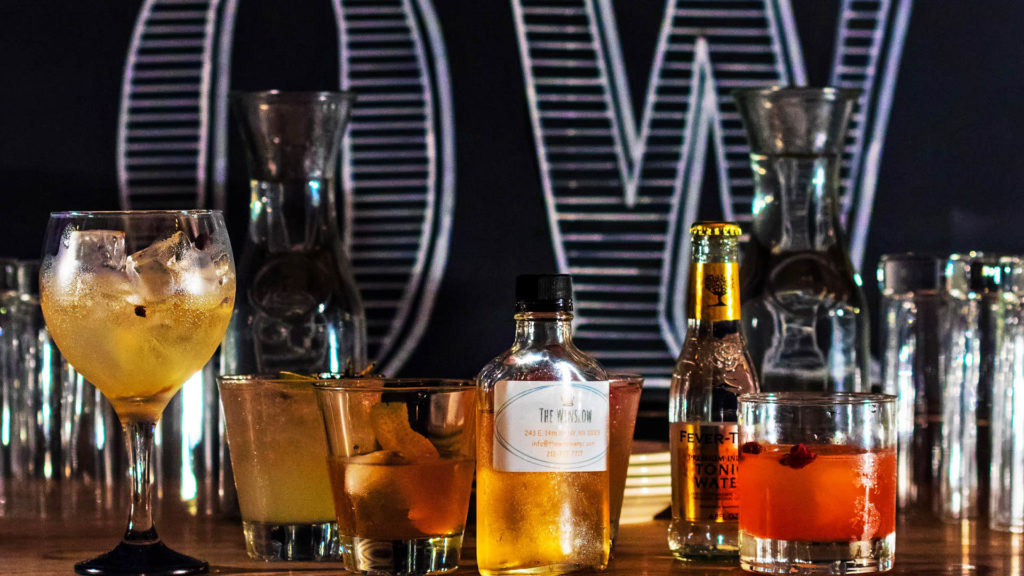
Food anchors the event, but drinks usually set the tone first. Guests often form their opinion in the first ten minutes, and the first thing they receive is frequently a glass. That is why a private room bar that supports customized drinks has an advantage. It can shape the mood before the first tray of food leaves the kitchen.
A tailored drink menu does not have to mean a dozen custom cocktails. In fact, a shorter list often works better. Too many choices slow service, clog the bar, and create uneven pacing. Most successful private events are built around a focused selection, one or two signature cocktails, a compact wine offering, a few beer options, and at least one well-made nonalcoholic drink that feels intentional rather than apologetic.
Signature drinks are effective when they are grounded in service reality. A stirred rye cocktail can work if the guest count is moderate and the bar team is staffed for it. A complex shaken drink with multiple delicate garnishes may look great in planning but fall apart when thirty guests arrive at once. Strong venues know how to edit ideas into recipes that can be executed fast and consistently.
A few drink elements are worth discussing with the venue early:
- Guest drinking habits, including whether the group leans toward cocktails, wine, beer, or low-alcohol options.
- Event timing, because after-work groups drink differently than late-night birthday parties.
- Food pairing, especially if the menu includes spicy, rich, or delicate dishes.
- Branding or theme, if the host wants names, colors, or ingredients that tie into the occasion.
- Nonalcoholic expectations, which are much higher now than they were a few years ago.
That last point deserves special attention. Guests increasingly expect a nonalcoholic option that tastes like a real drink, not juice poured over ice. A private room event feels more polished when the zero-proof offering has the same level of care as the house cocktail. A rosemary grapefruit spritz, a ginger-lime cooler, or a bitter orange soda with herbs can make nondrinkers feel included without any fanfare.
How the planning conversation should unfold
The quality of a customized event often depends on the first planning call. Good venues ask practical questions before talking about upsells. They want to know the purpose of the event, the timing, whether speeches are planned, how many guests are confirmed versus invited, and whether there are dietary restrictions that are preferences or strict medical needs. That distinction matters. A guest who prefers dairy-free options is different from a guest with a severe allergy requiring separated prep.
A seasoned events manager will also ask how the host wants people to interact. That may sound abstract, but it has direct menu implications. If the goal is active mingling, passed hors d'oeuvres and stationed cocktails may make sense. If the event includes formal remarks, food needs to pause cleanly. If the group is likely to arrive late in waves, the venue may recommend a front-loaded snack table and a slower release of heavier items.
Budgets enter the conversation quickly, and they should. Customization is not free, but it is not always expensive either. Sometimes the smartest adjustment is simply reallocating spend. Hosts often overinvest in quantity and underinvest in coherence. Trimming one unnecessary food station can free enough budget to add a stronger welcome cocktail, a better dessert, or upgraded wine that guests will actually notice.
There is also a timing reality that experienced planners respect. Custom menus need lead time. Last-minute changes are possible, but they narrow choices and increase the risk of service strain. If a group wants custom printed menus, specialty ingredients, or unique garnish work, those details should be settled well before the https://www.google.com/maps?cid=9305732499708573250 event. The earlier the venue has clarity, the better the execution.
Dietary needs are no longer a side note
Private events used to treat dietary accommodations as a footnote, one vegetarian plate, one gluten-free request, perhaps a fruit plate for someone avoiding dessert. That approach no longer holds up. In a city like New York, private room guests expect inclusion to be built into the plan, not tacked on after the fact.
A well-run Bar With Private Room can support this in a few ways. First, it can create menu items that are naturally inclusive rather than visibly separate. A roasted vegetable dish with herbs and tahini can satisfy a broad mix of guests without announcing itself as the alternative option. Second, it can label or communicate clearly, so guests are not forced into awkward questions in front of colleagues or clients. Third, it can train staff to understand the difference between preference and risk.
This is one area where honesty from the venue is crucial. If the kitchen cannot guarantee cross-contact avoidance for severe allergies, that needs to be stated clearly. Skilled hospitality teams know that trust matters more than overpromising. Most guests are reasonable when communication is specific.
Customization also helps avoid the stale trap of making every dietary accommodation feel joyless. Vegan guests should not be handed a dry plate of crudites while everyone else eats well. Nondrinkers should not be stuck with soda water and lime while others enjoy crafted cocktails. When a venue gets this right, the entire room benefits because no one feels like an afterthought.
Service style is part of the menu
Hosts often focus on what will be served and spend less time on how it will move through the room. In practice, service style can make or break a private event. The same dishes can feel elegant or chaotic depending on the format.
Passed service works well for social energy, but only if the bites are genuinely easy to eat standing up. Buffets can be efficient for larger groups, but they create lines and can interrupt flow if the room is tight. Family-style service encourages warmth and conversation, yet it assumes guests are comfortable sharing and that the table layout supports it. Plated meals offer structure and predictability, though they can feel rigid for a casual celebration.
Private room bars that excel at customization talk through these trade-offs instead of defaulting to one formula. They know that a 25-person engagement party behaves differently from a 60-person company mixer, even if the headcount gap seems modest. They also know that New York private rooms vary widely in shape. A long narrow space handles traffic differently from a square room with a side bar. The menu has to match the physical environment.
One of the most practical conversations a host can have is about pacing. How long should guests have drinks before food starts? Should heavier items arrive early to steady the room, or later to sustain it? Is dessert meant to close the evening or simply appear as an optional finish? These are service decisions, but they affect how the customized menu is perceived.
Balancing creativity with reliability
The temptation with private events is to use the room as a blank canvas. Sometimes that works beautifully. More often, the smartest route is controlled creativity. Venues that know private events well keep one foot in imagination and the other in repeatable execution.
That balance shows up everywhere. A cocktail can use a seasonal infusion, but the base recipe should still be fast to build. A food menu can nod to a theme, but each item should survive the realities of holding time, tray passing, or coordinated plating. A dessert can feel special without requiring delicate last-second assembly that stalls service.
Hosts should pay attention to how a venue talks about these limits. If the response to every request is an immediate yes, caution is warranted. The strongest partners are selective. They might say, we can absolutely build a signature drink around mezcal and citrus, but let’s avoid egg white in a high-volume private room. Or, we can adapt that seafood dish, but not for a standing reception where it needs to be eaten cleanly. That kind of pushback is not resistance. It is expertise.
Cost control without making the event feel cheap
Customized menus are often associated with premium pricing, and sometimes that is justified. Specialty ingredients, extra prep, printed collateral, additional staff, and tasting sessions all carry costs. But personalization does not always require extravagance. It requires smart prioritization.
There are a few areas where spending tends to pay off. Signature welcome drinks usually create a strong first impression. Better staffing improves service more than most decorative flourishes. A focused menu with fewer, stronger items often performs better than a sprawling package with filler. Late-night snacks, if the event runs long, can be surprisingly memorable.
By contrast, some upgrades sound impressive in a proposal and matter little in the room. Excessive garnish complexity, too many dessert choices, or a broad premium liquor roster can inflate the bill without improving the guest experience. A capable Bar With Private Room NYC will usually guide clients away from those traps, especially if the goal is a polished event rather than a flashy invoice.
Here is where trade-offs become useful. If the budget is tight, reducing the number of passed items from six to four may allow for better ingredients and stronger drinks. Choosing one custom cocktail instead of three can speed service and sharpen the event’s identity. Serving a substantial late bite may permit a lighter early menu if guests are arriving after work and staying late.
The human side of customization
The strongest private room experiences are rarely remembered for logistical perfection alone. People remember feeling seen. That may come from a drink named after the couple at an engagement party, a small plate inspired by a founder’s hometown, or a whiskey selection built around a retiring executive’s preferences. These details work because they are personal, not because they are expensive.
That human layer is where a good private room bar becomes a great one. Staff notice whether a host is anxious and quietly keep the pace steady. They remember which guest asked for the zero-proof option and bring a second round without prompting. They catch when a speech is about to start and pause tray service before a glass breaks the moment. None of this is accidental. It comes from venues that see customization as hospitality, not just package editing.
I have watched rooms change when that level of attention is present. Guests relax faster. Hosts stop micromanaging. The event starts to feel less like a scheduled transaction and more like a gathering with its own rhythm. That is the real value of a well-run Bar With Private Room. It gives structure without stiffness, options without clutter, and customization that serves the occasion rather than distracting from it.
What hosts should look for before booking
Not every private room is equally equipped to support a tailored menu and drink program. Photos can be misleading, and polished event decks often smooth over operational weaknesses. The more useful signals appear in conversation and in the venue’s willingness to think practically.
Ask how often the team runs private events similar in size and style to yours. Ask whether the kitchen has a separate event menu or adapts from the main menu. Ask how dietary requests are handled, how many bartenders and servers would be assigned, and how flexible the package structure really is. A venue that answers clearly is usually a safer bet than one that speaks in broad assurances.
It is also worth paying attention to the venue’s curiosity. Strong teams ask follow-up questions because they are trying to build the right event. Weak teams push standard packages because that is all they know how to execute. Customization should feel collaborative, not scripted.
The private room itself should support the menu plan. A beautiful room with poor traffic flow can undermine buffet service. A stylish bar nook may not be ideal for speeches or plated courses. A room with its own satellite bar can dramatically improve drink speed. These physical details matter more once you start customizing, because the menu becomes part of the room’s function.
For hosts planning celebrations, company gatherings, or client events in New York, that combination of space and adaptability is often the difference between a room that simply looks good and one that performs well. A Bar With Private Room NYC that truly supports customized menus and drinks gives you more than privacy. It gives you the tools to shape atmosphere, manage complexity, and create an event that feels intentional from the first pour to the final plate.
The Winslow
Address: 243 E 14th St, New York, NY 10003
Phone number: +12127777717
FAQ About Bar With Private Room NYC
Which bars in NYC offer private rooms?
Many bars in New York City offer private and semi-private rooms for parties and events, ranging from hidden basement speakeasies to upscale lounge spaces. Top options include The Back Room on the Lower East Side, Dear Irving Gramercy, Pebble Bar in Midtown, Mister Paradise in the East Village, and The Winslow in the East Village.
What is a private room in a pub called?
A small, private seating area or partitioned booth in a traditional pub is most commonly called a snug. Larger private rooms used for events, parties, or dining are typically referred to as private dining rooms, function rooms, or back rooms.
How much does a 2 hour open bar cost?
A 2-hour open bar generally costs between $15 and $45 per person, depending heavily on the quality of alcohol you choose. For a standard group of 100 guests, this translates to an overall cost of $1,500 to $4,500 before taxes, setups, and staff gratuities.