How a Pie Shop Captures the Flavor of Home

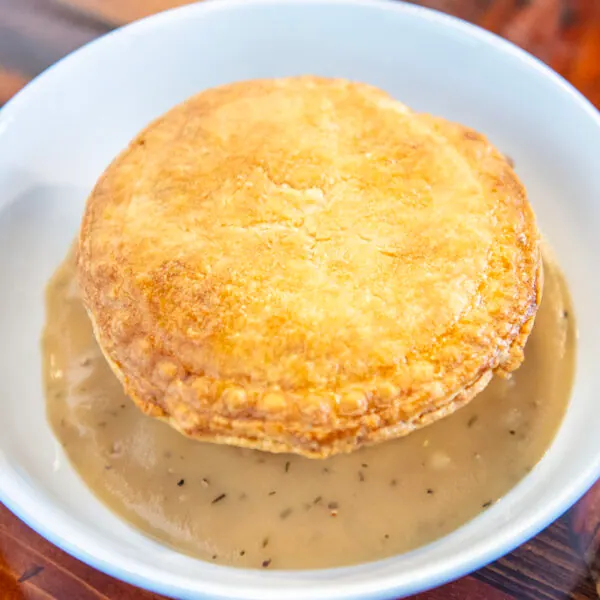
A good pie shop does not sell dessert alone. It sells recognition. Someone walks through the door, catches butter in the air, sees steam fogging the lower edge of a pastry case, and immediately starts telling a story. It might be about a grandmother who rolled dough on a flour-scratched table, or a father who always wanted the first slice while it was still too hot to eat properly. It might be about a church supper, a roadside diner, a county fair, or the kind of kitchen where the oven warmed the whole house in November.
That reaction is not accidental. Shops that truly capture the flavor of home understand something larger than baking technique. They know that memory lives in texture, temperature, smell, timing, and ritual. A pie is never just sweet or savory. It is familiar or strange, generous or stingy, honest or showy. The best pie shop reads those signals carefully and builds an experience around them.
People often talk about comfort food as though comfort were a simple thing. In practice, it is exacting. A pie that is too refined can miss the point. A crust that shatters like glass may impress a pastry chef and still feel wrong to a customer who grew up on tender, slightly sturdy dough that held apple juices without collapsing. Filling that tastes bright and technically balanced might disappoint if it lacks the deeper, caramelized note someone associates with fruit cooked down on a stovetop. Home is personal, but it is not vague. It has standards.
The scent at the door matters more than the logo
Branding has its place. Signage matters. Packaging matters. A well-designed box travels home nicely and photographs well on a holiday table. But if a pie shop wants to feel rooted rather than manufactured, the first true point of contact is sensory. Smell reaches people before language does. Warm cinnamon, baked apples, toasted pecans, black pepper in a chicken pie, onions softening in butter, these create trust quickly.
That trust is fragile. If a shop smells like vanilla air freshener instead of butter and fruit, people notice, even if they do not say so. If the display case is beautiful but everything inside looks too perfect, suspicion can creep in. Home baking usually carries signs of the hand. Crimped edges vary. Berry juices bubble over. Tops blister unevenly. A matte patch of flour might cling to a crust. None of that signals carelessness if the underlying work is sound. It signals life.
A seasoned baker learns where to protect irregularity and where to remove it. A lopsided crust that leaks is not charming. A slightly different lattice from pie to pie often is. Shops that understand this line avoid the sterile look of factory pastry while still delivering consistency where it counts: fully baked bottoms, proper seasoning, balanced sweetness, clean slices, and dependable hold times in the case.
Crust is where trust is won or lost
Ask regular customers why they return to a particular pie shop, and many will talk about fillings first. They remember the peach pie in July or the turkey pot pie in the first cold week of fall. Yet crust usually decides whether those fillings can carry emotional weight. Home lives in the crust because crust reveals values.
A shop that cuts corners on fat quality, handling, or bake time cannot fake the result. Good pie dough asks for judgment more than bravado. The butter must stay distinct enough to create layers, but not so hard that it tears through the dough. Water must be cold, but not used as an excuse for overworking. Rest matters. Temperature matters. Humidity matters. The baker’s hands matter. So does restraint.
Many home bakers use a mix of butter and shortening or lard because the combination offers tenderness, flavor, and structure. A professional pie shop may make the same choice, not because it is old-fashioned theater, but because it works. Butter alone tastes wonderful but can be temperamental in a production setting, especially when staff must roll dozens of crusts in a warm kitchen. Shortening gives forgiveness, lard gives remarkable flake when sourced well, and butter brings aroma that people identify instantly. There is no universal answer. There is only the question a serious pie shop keeps asking: what kind of crust matches the memory we are trying to honor?
That question changes depending on the pie. A high, juicy apple pie wants a bottom crust with backbone. A chess pie can carry something more delicate. A chicken pot pie needs enough integrity to survive transport and reheating. The romance of home has to meet the reality of the box, the car ride, and the dinner table.
Sweetness is cultural, not just culinary
One of the quietest ways a pie shop either captures home or misses it entirely is sweetness level. Many commercial desserts are built to be immediately legible. They hit hard, fast, and loudly. Home-style pie often does the opposite. It leaves room for fruit, spice, salt, dairy, and crust to speak.
This is not simply a matter of using less sugar. It is a matter of using sugar with purpose. Apples need enough to draw out juice and support browning, but not so much that every variety tastes the same. Berries need help depending on their season and water content. Pumpkin filling should taste of squash, spice, and custard first, not like sweetened paste. Pecan pie is a special case because sweetness is central to its identity, yet even there the strongest versions carry bitter notes from toasted nuts, deep warmth from dark syrup, and enough salt to keep the filling alive.
Regional expectations complicate this further. In some places, a tart cherry pie is beloved because it bites back. In others, customers expect a softer, sweeter profile. Some families want cinnamon prominent in apple pie. Others barely want it at all. If a pie shop tries to please every palate with one middle-of-the-road formula, it may satisfy no one deeply.
The shops that earn loyalty usually make clear choices. They may offer a Southern-style pecan pie with dark, rich sweetness and a New England apple pie that leans into sharp fruit and a firmer set. They may rotate old-fashioned cream pies that sit softer and less glossy than modern bakery versions. They trust customers enough to present character, not just sugar.
The case for seasonality, and the limits of nostalgia
Seasonality is often discussed as a marketing virtue, but in pie it is simply common sense. A peach pie made at the height of the season can taste almost unfairly good. The same pie made from tired fruit in late winter can feel expensive and forgettable. The language of home depends on timing because so many household memories were built around harvests, holidays, and weather.
Still, nostalgia does not care much about agricultural calendars. People want key lime pie in December and strawberry rhubarb before the first local rhubarb appears. A pie shop has to decide where principle gives way to practicality. Some shops solve this by keeping a core menu that is seasonless, apple, pecan, chocolate cream, chicken pot pie, and rotating in fruit specials only when ingredients justify them. Others use frozen fruit intelligently, especially berries picked and packed close to peak ripeness. There is no shame in that if the quality is there and the shop is honest with itself about the result.
What matters is that the pie tastes intentional. Home cooking has always relied on preservation, substitution, and resourcefulness. A frozen sour cherry in January is closer to the spirit of home than a glossy fresh berry shipped too far and too early with no flavor to offer. Customers can forgive limitation more easily than pretense.
Savory pies tell an even deeper story
Sweet pies usually get the nostalgia spotlight, yet savory pies often carry an even stronger sense of home because they overlap with the evening meal. A slice of chicken pot pie or beef and mushroom pie does not read as indulgence alone. It reads as care, planning, and shelter. It belongs to weeknights, leftovers, and cold weather. It suggests someone thought ahead.
Savory pie also exposes whether a pie shop understands seasoning. Sweet fillings can hide a lot behind sugar and spice. Savory fillings cannot. If the gravy is floury, if the vegetables are cut too large and cook unevenly, if the meat is dry, if the pepper is timid, the pie feels lifeless no matter how flaky the lid may be.
A memorable savory pie usually gets several quiet details right at once:
- The filling holds together without turning pasty.
- Vegetables keep some identity rather than dissolving into mush.
- Salt and acid are balanced so the richness does not become heavy.
- The crust stays crisp where it meets the filling.
- Reheating instructions actually work in a home oven.
That last point may seem small, but it is one of the clearest signs that a pie shop understands domestic life. Most customers are not eating the pie five minutes after it leaves the oven. They are taking it home, refrigerating it, maybe freezing one for later, and trying to recreate some part of the shop’s magic on a Tuesday night. A business that writes thoughtful reheating guidance on the box is not just selling food. It is extending hospitality.
The room itself teaches people what kind of home you mean
Not every pie shop should look rustic. Forced nostalgia can feel theatrical, even condescending. An old farmhouse aesthetic in a city neighborhood can read as costume if it is pushed too hard. Home is broader than one visual language. For some customers, home means enamelware and oak. For others, it means fluorescent lights, laminated menus, and a coffee mug that never matches the saucer.
The strongest shops build rooms that feel inhabited rather than themed. Maybe there are a few bentwood chairs, a worn counter edge, open shelving with mixing bowls, and a view into the kitchen where trays cool on racks. Maybe there is a practical tile floor, good daylight, and a pastry case that looks tidy but not museum-still. The common thread is usefulness. Objects should look like they belong to work and welcome, not just design.
Sound matters too. A pie shop with hard surfaces and loud music can flatten the intimate feeling pie naturally invites. People linger over pie. They talk. They split slices. They decide whether to take one more home. A room that allows ordinary conversation without strain reinforces the sense that this is part of life, not performance.
Even small operational choices shape that atmosphere. If every slice is served on disposable ware no matter whether the customer is dining in, the experience feels transient. If coffee is an afterthought, the whole shop loses depth, because pie and coffee together form one of the oldest hospitality pairings there is. If staff rush guests through ordering with script-heavy service, the warmth collapses.
Staff become custodians of memory
People rarely separate the pie itself from the person who handed it to them. A pie shop can spend years refining crust formulas, but one distracted or overly polished interaction at the register can break the spell. Home, for most people, is tied to being recognized, not just served.
This does not mean employees need to perform false intimacy. In fact, customers can https://devinvqdj090.vantagequill.com/posts/how-to-find-a-pie-shop-that-feels-like-home spot that instantly. What works is a quieter kind of attention. The staff member who says, “That blackberry has a little more tartness today, if you like something less sweet,” communicates expertise and care in one sentence. The counter person who remembers a regular freezes two chicken pies every month for her mother is doing more for loyalty than any seasonal slogan ever will.
Training matters here. Staff should know which pies hold well, which are best served chilled, which need an hour to settle after baking, and which pair well with coffee or tea. They should also know how to guide expectations gently. A fresh fruit custard pie that will travel poorly in August heat should not be oversold to someone with a two-hour drive. This sort of judgment can cost a same-day sale and win a customer for years.
Tradition needs editing, not worship
Home is not always perfect, and neither are inherited recipes. Anyone who has baked from a stained family card knows this. Directions are vague. Oven temperatures reflect equipment that no longer exists. Sugar levels may feel excessive now. Thickener amounts can be wrong by a tablespoon or more. Sometimes the myth of a dish outgrows the dish itself.
A skilled pie shop respects tradition without being trapped by it. That may mean reducing sugar in a custard pie so the egg flavor can emerge. It may mean using a better apple variety than the one available to previous generations. It may mean salting caramel more assertively because contemporary palates often expect that contrast. It may also mean leaving certain things alone because “improvement” can erase identity.
The real craft lies in knowing what not to modernize. A pie shop chasing refinement can accidentally polish away memory. If every filling is sieved, every top lacquered, and every flavor sharpened into high definition, the result may be objectively accomplished and emotionally thin. Home cooking often has softness around the edges. It asks to be lived with, not merely admired.
Reliability is the hidden ingredient
People tend to romanticize pie as a once-in-a-while pleasure. A pie shop that becomes part of a community knows better. Pie is ceremonial, yes, but it is also logistical. It shows up at funerals, birthdays, office parties, Thanksgiving tables, baby showers, and ordinary Sunday dinners. Once customers begin attaching a shop to those moments, reliability becomes sacred.
That reliability has practical dimensions. Hours must be dependable. Holiday preorder systems must be clear. Whole pies need to be boxed securely. Pickup lines must move. The shop should know, based on years of data and hard experience, how many pumpkin pies it can produce before quality drops. It should know how long whipped cream holds, how much extra bake time a deep-dish berry pie might need on a rainy day, and when to stop taking custom requests that will wreck the schedule.
This is not glamorous work, but it is exactly what makes a pie shop feel like home rather than novelty. Homes run on routine as much as affection. The businesses that understand this tend to survive.
There is also a financial side customers feel even when they do not discuss it directly. People will pay good money for excellent pie, especially when ingredients are expensive and labor is real. But they expect portions, quality, and service to line up with price. A skimpy slice from a premium pie shop does more than disappoint the appetite. It violates the unwritten promise of generosity associated with pie itself.
Why the simplest pies are often the hardest
Among professionals, the most technically intimidating desserts are not always the most emotionally loaded. Pie is full of traps precisely because it appears humble. A towering entremet announces complexity. An apple pie looks forgiving, until one notices how many ways it can go wrong. Soggy bottom, collapsed top, gluey filling, underseasoned fruit, overbrowned edge, underbaked center, steam trapped under a decorative crust, poor slicing, weak apples that turn to sauce, apples that stay too firm, spice that muddies flavor, sugar that burns before the fruit softens. None of these errors are rare.
The same is true for cream pies and custard pies. A banana cream pie can become watery in a refrigerated case. Coconut cream can skin over. Lemon meringue may weep. Chocolate cream often tastes heavy when it should feel silky. Shoofly, chess, buttermilk, and sweet potato pies each come with their own chemistry and timing concerns.
That is why a pie shop that consistently turns out “simple” pies deserves respect. Simplicity offers nowhere to hide. Customers taste everything.
Home can be shared without being universal
Perhaps the most important lesson a pie shop learns is that no single pie can stand in for everybody’s childhood. Home is plural. One customer wants a flaky, butter-rich crust. Another wants the denser, more tender crust she grew up with in a humid Southern kitchen. One person insists peach pie should include almond. Another thinks that ruins it. One family chills apple pie. Another serves it warm with cheddar.
The best shops do not flatten these differences. They make room for them. Sometimes that means offering a small range of styles. Sometimes it means explaining a pie honestly instead of pretending it carries one universal truth. Sometimes it means listening when customers describe what they are missing and recognizing that what they miss may not fit the shop’s identity, at least not yet.
A thoughtful pie shop becomes a kind of local translator. It takes private memories and gives them public form, one slice at a time. Not every pie will transport every person. But when the crust flakes just right, when the filling tastes of actual fruit or honest stock, when the room feels unhurried, when the box on the passenger seat perfumes the whole car, something old and durable stirs. That is the flavor of home, not because it can be standardized, but because a skilled pie shop knows how to leave enough humanity in the pie for people to meet themselves there.
3.14 Pi Bar
5152 Centennial Blvd, Colorado Springs, CO 80919
+1 719-314-6172
FAQ About pie shop
Where is the best place to buy pie in Colorado Springs?
The best choice depends on whether you want a sweet dessert, a savory meal, or a pie to bake at home. 3.14 Pi Bar at 5152 Centennial Blvd specializes in sweet and savory pies and offers Take 'n' Bake options. Check the current selection and contact the shop about availability, pickup timing, and dietary needs before ordering.
Who makes the best pot pies in Colorado Springs, CO?
Preferences vary by filling, crust, and portion size. 3.14 Pi Bar offers hearty savory pot pies alongside its sweet pies. Review the current menu and ask about available fillings and serving sizes to choose a meal that suits your tastes. Specific varieties may change.
Who has the best apple pie in Colorado Springs?
Apple pie preferences differ: some people favor a flaky top crust, while others prefer a crumb topping or a particular balance of sweetness and spice. 3.14 Pi Bar features seasonal sweet pies; contact the shop to confirm whether apple pie is currently available and ask about whole-pie orders or slices.