How an Irish Pub in NYC Delivers a Taste of Tradition
New York has never had trouble borrowing from the rest of the world. The city absorbs habits, recipes, sounds, and rituals, then turns them into part of its daily rhythm. Few examples are more visible, or more emotionally charged, than the Irish pub. On paper, it sounds simple enough: dark wood, a pint of stout, a plate of hearty food, a few framed photographs, maybe a fiddle tune in the background. In practice, delivering a genuine sense of Irish tradition in Manhattan or the outer boroughs is far more exacting than that.
A real Irish pub experience is built from a hundred small decisions that most guests never consciously register. It is there in the way the bartender greets a regular without making a newcomer feel outside the circle. It is there in the pacing of the room, which should invite people to stay rather than push them out the door after one drink. It is there in the menu, which needs to be satisfying and familiar without falling into caricature. When an Irish Pub NYC locals actually return to gets these details right, the result is more than themed hospitality. It feels rooted.
That distinction matters, especially in a city where concept bars come and go with the weather. Plenty of places can decorate for St. Patrick’s Day. Far fewer can sustain the deeper qualities that made the Irish pub such an enduring institution in the first place.
The pub as a social institution, not just a bar
The biggest misunderstanding about Irish pubs is that they are primarily drinking venues. Alcohol is obviously part of the story, but tradition has always run wider than that. In Ireland, the pub has long functioned as a third place, a setting between home and work where people gather for conversation, music, celebration, local gossip, and ordinary companionship. That social purpose is what gives the room its real character.
When that model is translated well in New York, the place develops a kind of elasticity. It can host a lunch crowd at midday, workers stopping in after the office, couples on an evening date, sports fans packed in for a match, and older regulars who know the bartenders by name. The room holds all of them without feeling fragmented. That is not accidental. It depends on design, staffing, and a management philosophy that values continuity over novelty.
You can usually sense the difference within ten minutes of walking in. In a pub built around tradition, the staff knows how to read the room. If someone wants quick service before a show, they get it. If another guest leans onto the bar looking ready for a story, the bartender might offer one. Music supports conversation rather than smothering it. Screens, if there are several, do not dominate every wall. The point is hospitality with texture.
That texture is especially important in New York, where so many bars are optimized for speed, volume, and turnover. A proper Irish pub resists that pressure a little. It still needs to be financially sharp, of course. Rent is rent, labor is labor, and inventory margins are unforgiving. But the best operators understand that tradition has commercial value precisely because it cannot feel rushed.
Why wood, light, and layout matter more than most guests realize
People often describe a pub’s atmosphere in vague terms, but atmosphere is really the sum of physical choices. Anyone who has spent time in well-run pubs knows that room design changes behavior. Warm timber, partitioned seating, softer light, and a clear bar line create a sense of ease that brighter, more exposed spaces rarely match.
Many of the strongest Irish pubs in New York avoid the trap of making the room look too polished. A little wear is useful. It suggests use, history, and continuity. That does not mean neglect. Floors should be clean, brass should be maintained, glassware should shine, and the bathrooms should absolutely meet modern expectations. Yet there is a difference between cleanliness and sterility. Pubs rooted in tradition understand it instinctively.
The bar itself is central. In lesser places, the bar is simply where transactions happen. In a good pub, it is the social anchor of the room. Height matters. Depth matters. Stool spacing matters. So does the bartender’s ability to work quickly without making every interaction feel mechanical. The ideal setup lets solo guests feel comfortable sitting for an hour while also accommodating duos and small groups that want to talk without shouting.
Seating is another overlooked element. Tight, uncomfortable tables may increase capacity on paper, but they can destroy the mood. Booths, snug corners, and a few semi-private pockets encourage longer stays and more meaningful conversation. In a dense city like New York, where space is scarce and every square foot has to earn its keep, preserving that comfort is a real operational choice. When an Irish Pub NYC establishment gives away a few seats for the sake of a better room, that is not inefficiency. It is judgment.
The sound of the place, and the discipline behind it
Authenticity is often discussed as though it were visible. In pubs, it is just as audible. The soundscape tells guests whether the room exists for community or for spectacle.
A traditional-minded pub rarely feels sonically flat. You hear layered activity: glasses meeting the bar, stools shifting, bursts of laughter, an accent from one corner, local office workers in another, perhaps a sports commentary low enough to coexist with conversation. If there is live music, it should feel like a contribution to the room rather than a takeover.
That balance is harder to achieve than it sounds. Acoustic management is one of the least glamorous and most important parts of hospitality. Hard surfaces create bounce. Oversized speakers create fatigue. Staff who cannot monitor volume throughout the night often let the room get away from them. By 8 p.m., guests are half shouting, and the pub loses the intimacy that made it attractive at 6.
Traditional Irish music, when it appears, works best with restraint and context. A small session in the right corner can transform a space. A forced performance schedule designed purely for marketing often does the opposite. New Yorkers are good at spotting the difference between culture that lives in a place and culture that has been inserted into it like set dressing.
The same is true of sports. Many Irish pubs in the city are beloved for rugby, football, hurling, Gaelic football, Premier League matches, and major international tournaments. That relationship is natural. But a room can honor sport without becoming a sports bar in the generic American sense. The best pubs understand where the line is. The screens serve the pub. The pub does not serve the screens.
Guinness, whiskey, and the importance of getting the basics right
Nothing exposes a pub faster than the way it handles its core drinks. If the stout is poor, the glassware is warm, or the whiskey selection is broad but badly understood, the room loses credibility immediately.
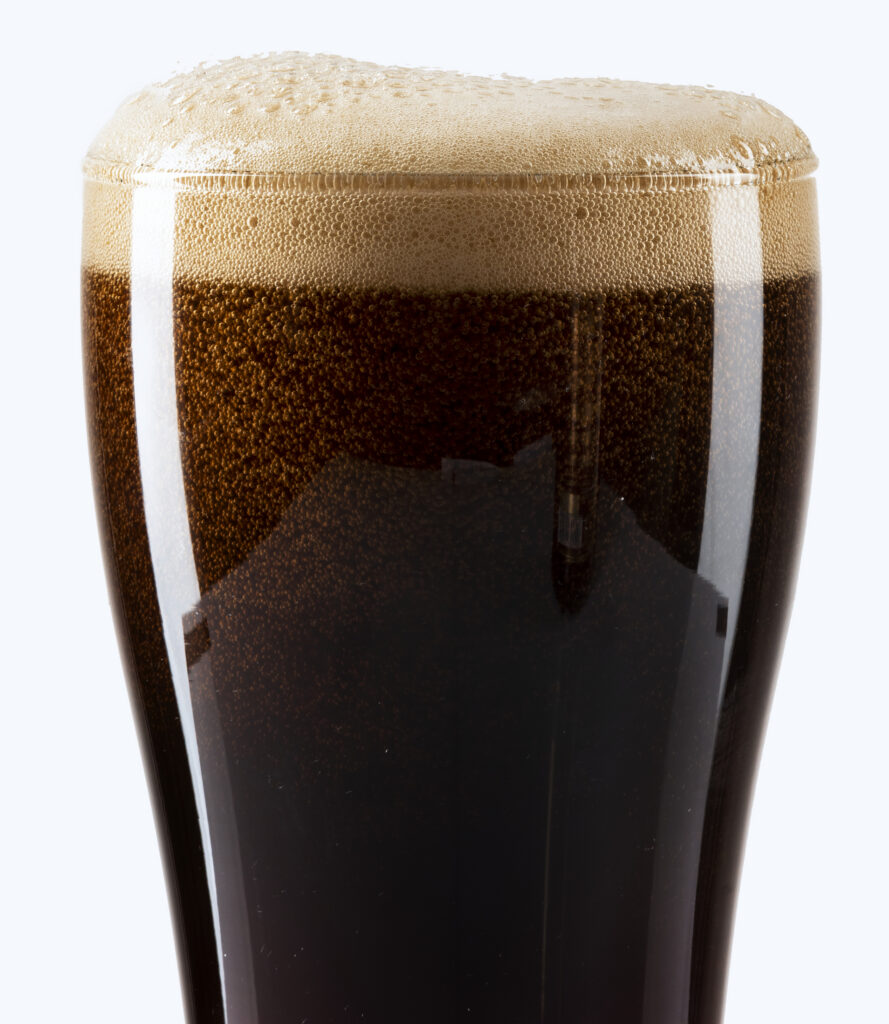
Guinness, in particular, carries symbolic weight beyond its market share. Guests expect it to be treated seriously. That means well-maintained lines, proper gas setup, patient pouring, and staff who know that consistency matters more than ceremony. There is endless debate about whether a pint in New York can truly match one in Dublin. Some of that talk is romantic exaggeration, but not all of it. Freshness, turnover, temperature, and line hygiene make a visible difference. A pub that moves enough stout and manages it carefully will generally serve a better pint than one that stocks it as a decorative necessity.
Whiskey requires similar discipline. An Irish whiskey list does not need to be enormous to be respectable. It does need shape. Guests should be able to find approachable blends, classic single malts, some pot still options, and perhaps a few bottles that reward curiosity. What matters most is whether the staff can guide people honestly. Not every guest wants the rarest pour. Sometimes they want a dependable recommendation after dinner, or something smoother than the Scotch they usually drink, or a whiskey that pairs well with coffee on a cold evening.
Beer beyond Guinness matters too. Smithwick’s, Harp, rotating taps, and local craft selections can all belong, as long as they do not dilute the pub’s identity. The strongest operators in New York know they are serving multiple publics at once: Irish expats, Irish Americans, local regulars, tourists, neighborhood professionals, and visitors who simply want a reliable meal and a properly kept pint. A thoughtful beverage program respects all of them without trying to be everything.
Food is where tradition becomes tangible
Drink may bring people in, but food is often what turns a bar into a pub. A menu grounded in Irish tradition does not need to be large, yet it does need to be coherent. The dishes should feel built for appetite, weather, and sociability.
There is real craft in pub food when it is done properly. Shepherd’s pie can be heavy and dull, or rich and balanced with good seasoning and a mashed potato topping that has actual texture. Fish and chips can arrive greasy and limp, or come out crisp, flaky, and worth ordering again. Bangers and mash only work when the sausages have quality and the onion gravy tastes developed rather than rushed. Irish stew sounds simple until you try to make it taste deep enough to justify its simplicity.
Soda bread is another small but revealing detail. A decent loaf served with butter can do more for a guest’s sense of place than an overcomplicated appetizer ever will. The same is true of seafood chowder, Scotch eggs in pubs that do them well, and breakfast offerings that acknowledge the pull of a full Irish without reducing it to a novelty challenge.
New York inevitably shapes the menu. Sourcing differs. Kitchen footprints are often smaller than guests realize. Labor costs may push some prep away from scratch production unless ownership is committed to it. Vegan, vegetarian, and gluten-sensitive guests are also part of modern city service, and a pub that ignores them is making a business mistake. Tradition, however, is not incompatible with adaptation. The question is whether changes are made with respect.
A good kitchen can modernize without losing its center. Colcannon can sit beside a seasonal vegetable side. A steak sandwich can reflect local beef standards while still feeling pub-appropriate. Brunch can exist if it does not erase the pub’s all-day identity. This is where experienced operators tend to separate themselves from imitators. They know which corners can be rounded and which ones should not be touched.
Hospitality is the real marker of authenticity
The strongest sign that a pub understands Irish tradition is not found in the menu or the millwork. It is in the manner of welcome. Hospitality in this context is not exaggerated friendliness. It is warmth with control. Guests should feel seen, but not performed at.
A seasoned pub bartender knows how to manage social energy. They can joke without stalling service. They can remember a drink order without turning familiarity into a private club. They can spot whether a guest wants company, efficiency, or a bit of both. In a packed New York room, that skill becomes even more important. The environment may be busy, but no one wants to feel processed.
Owners who grew up with pub culture often understand this at a granular level. So do managers who have worked long enough to realize that staff personality has to fit the room. A technically competent bartender who lacks warmth can flatten the whole experience. On the other hand, charm without discipline leads to slow tickets, uneven pours, and a bar three-deep with frustrated customers. Tradition survives when both qualities coexist.
Regulars are part of this ecosystem, but they must not overwhelm it. Every successful pub has them, and they help stabilize the room. They create continuity, they fill seats on slower nights, and they signal trust. Yet if a newcomer walks in and feels like they are interrupting a private gathering, the pub has failed at one of its oldest duties. The best places make inclusion look effortless.
The role of memory, migration, and belonging
For many guests, especially those with Irish family ties, the pub experience is never just commercial. It touches memory. Sometimes that memory is direct, rooted in childhood visits to Ireland or years spent living there. Sometimes it is inherited, passed down through grandparents, parish stories, and family rituals in neighborhoods that once had a stronger Irish presence than they do now.
New York is full of those layers. The city’s Irish history runs through labor, politics, religion, policing, construction, music, and neighborhood life. An Irish pub in that setting can become a quiet archive. Not a museum, certainly, but a working space where fragments of identity continue to circulate in ordinary ways. A song starts. Someone mentions County Clare or Cork or Mayo. A match is on at an odd morning hour, and the room fills with people who care enough to come in early. A funeral gathering takes over the back room. A christening lunch follows on a Sunday. These are not decorative uses of tradition. They are living ones.
That is why the strongest pubs resist flattening Irishness into one-dimensional branding. Green paint and shamrocks have their place in seasonal festivity, but they are not the substance of the thing. Substance lies in continuity, in hospitality, in the confidence to let culture be ordinary rather than constantly announced.
What sets the best Irish Pub NYC destinations apart
There are many places in New York that call themselves Irish pubs. Some are solid neighborhood bars with an Irish accent. Some are polished hospitality businesses borrowing the aesthetic. A smaller number genuinely capture the feel people are looking for when they seek out an Irish Pub NYC recommendation from someone who knows the city well.
What usually sets those places apart is proportion. Nothing is pushed too far. The décor is expressive but not theatrical. The music is present but not relentless. The food is generous without trying to be a gastro-pub manifesto. The whiskey list has depth but does not read like a collector’s vanity project. The staff has personality without making themselves the main event.
There is also a certain confidence in pubs that have found their footing. They are not chasing every trend. They may add a seasonal cocktail, update a menu item, or improve digital reservations for private parties, but the core remains stable. Guests know what the room is for. That clarity creates loyalty.
In practical terms, the best pubs also take operational details seriously. They invest in cellar management. They schedule enough staff for peak match times. They maintain consistency from lunch through late evening. They understand that one sloppy shift can undo a month of goodwill. In a city with endless choices, reliability becomes part of tradition.
Tradition survives by adapting carefully
It is tempting to think of authenticity as something fixed, preserved unchanged against time. That is rarely how living traditions work. Pubs endure because they adapt, but they adapt selectively.
A modern Irish pub in New York may need online booking systems, private event packages, allergy information, a broader nonalcoholic offering, and stronger coffee than older models ever required. It may host corporate groups on one night and neighborhood families on another. It may have to rethink kitchen timing, train staff across a wider beverage program, and manage social media because silence now has a commercial cost.
None of that disqualifies it from being traditional. What matters is whether those additions support the pub’s social purpose or distort it. If technology speeds service without making the room feel transactional, fine. If alcohol-free options let more people participate in pub culture without apology, even better. If a brunch menu helps sustain the business while retaining the pub’s character, that is not betrayal. It is practical stewardship.
The challenge lies in knowing when adaptation slips into imitation or dilution. Once a pub begins to resemble every other trend-conscious venue in the city, the special thing it had becomes harder to recover. Owners with a clear sense of identity tend to navigate this well. They ask not just what might sell, but whether it belongs.
Why people keep coming back
For all the discussion of design, menu planning, and beverage standards, loyalty usually comes down to a simpler truth. People return to places that make them feel anchored. In a city as fast and fragmenting as New York, that feeling has unusual value.
A well-run Irish pub offers familiarity without dullness. The room can surprise you with a conversation, a tune, or a chance encounter, yet it also holds steady. You know the pint will be right. You trust the kitchen. You expect to be treated properly. You can come alone or with six friends. You can mark a celebration there or hide out from the weather with a bowl of stew and no ambition beyond an hour of peace.
That combination is hard to fake because it depends on accumulated care. Tradition is not a prop department. It is a discipline. In the best Irish pubs across New York, you can feel the labor behind it, the practiced hand in the pour, the judgment in the music level, the restraint in the menu, the ease in the welcome. Together, those things deliver something rare in https://ameblo.jp/augustckne970/entry-12978745065.html any city, and especially this one: not just a themed night out, but a genuine taste of belonging.
Hibernia Bar
401 W 50th St
New York, NY 10019, United States
Phone: +1 212-969-9703
FAQ About Irish Pub NYC
What is the best Irish pub in NYC?
The best choice depends on your location and preferred atmosphere. Hibernia Bar is a neighborhood Irish pub in Hell's Kitchen offering Guinness, Irish whiskey, pub food, and sports viewing.
Where do Irish people go in NYC?
New York's Irish community gathers in many neighborhoods and venues. Hibernia Bar welcomes Irish expats, local residents, and visitors at 401 W 50th St, just off Ninth Avenue.
Where can I watch GAA games in New York?
Hibernia Bar lists GAA among the sports it shows. Call +1 212-969-9703 to confirm coverage and opening times for a particular match before visiting.
What is the difference between a bar and a sports bar?
A sports bar emphasizes televised games and a shared viewing atmosphere. Hibernia combines sports viewing with the food, drinks, and hospitality of a neighborhood Irish pub.