Pie Cafe Colorado Springs: Discovering the Magic of Handmade Desserts
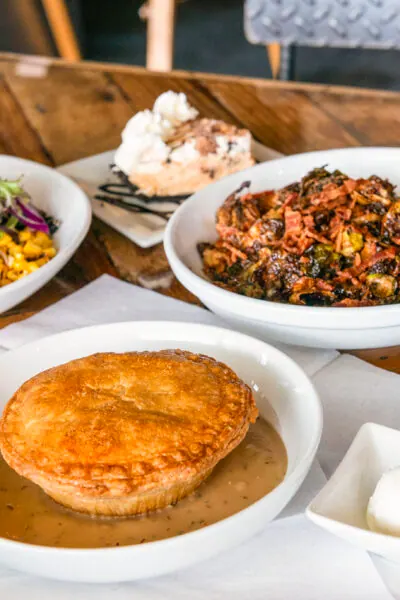

Colorado Springs has no shortage of places to satisfy a sweet tooth. You can find polished pastry cases, old-school bakeries, coffee counters with oversized cookies, and dessert spots built for a quick sugar fix. Yet there is something different about a true pie cafe. It slows the whole experience down. Pie asks for patience at every stage, from mixing dough to resting the filling to waiting for the first clean slice. That patience is part of the appeal, and in a city like Colorado Springs, where people often value both craft and comfort, it makes perfect sense that handmade pie holds its ground.
When people search for a pie cafe Colorado Springs experience, they are usually after more than dessert. They want the smell of butter and fruit in the air. They want a crust that flakes rather than crumbles into dust. They want a place that feels personal, not mass-produced. Handmade desserts carry that promise. Even before the first bite, they signal care, and care is increasingly rare in food businesses that have to move fast to survive.
A great pie cafe does not try to compete with every dessert trend at once. It leans into its strengths. It knows that pie can be nostalgic without being old-fashioned and refined without becoming fussy. That balance is hard to achieve, which is why a really memorable slice stays with people.
Why pie still matters in a city full of dessert options
Pie is one of the most democratic desserts. It can be rustic or elegant, served warm in a paper-lined basket or plated with a carefully scooped quenelle of whipped cream. It belongs at holiday tables, roadside diners, family potlucks, and modern cafes. In Colorado Springs, that versatility works in its favor. The city attracts longtime locals, military families, tourists, hikers, and transplants from larger metro areas, all with different food expectations. Pie meets them where they are.
A handmade pie also offers something many modern desserts do not. It shows its imperfections. The crimped edge may not be mathematically identical all the way around. The fruit may bubble unevenly through a lattice top. A cream pie might have a swirl of meringue that leans a little to one side. None of that hurts the final result. If anything, it often reassures customers that a human being made it.
That matters because people can taste the difference between engineered sweetness and thoughtful baking. A slice of pie demands contrast. The crust should bring structure and richness. The filling should have character beyond sugar. Good bakers know when to stop. They do not drown peaches in syrup or bury tart berries under too much starch. They understand that every extra spoonful has consequences.
The craft behind handmade desserts
Handmade desserts tend to be discussed in sentimental terms, but the work itself is highly technical. Pie, especially, exposes weak technique quickly. If the butter warms too much during mixing, the crust loses flake. If the dough is overworked, it toughens. If the fruit is under-seasoned, the filling tastes flat. If it is over-thickened, the texture becomes pasty. Custards can split. Meringues can weep. Chocolate cream can turn heavy instead of smooth.
At altitude, the margin for error often tightens. Colorado Springs sits well above sea level, and baking there asks for judgment that recipes written at lower elevations may not provide. Water evaporates faster. Sugars concentrate differently. Some fillings reduce quicker than expected, while certain cakes and pastry components can dry out if they are not adjusted. Bakers who work consistently in this environment develop instincts that cannot be copied from a standard recipe card.
That is part of the magic customers pick up on, even if they cannot name the technique. A great pie cafe is usually run by people who have tested, failed, adjusted, and tested again. They know how chilled the dough needs to be on a warm day. They know when local fruit is sweet enough to reduce added sugar. They know which pies slice clean at room temperature and which are best served slightly warm. Handmade dessert, at its best, is less about decoration and more about decisions.
What separates a memorable pie cafe from an average one
The difference often starts with the crust. Anyone who bakes regularly will tell you that crust is where a pie shop reveals itself. A beautiful filling can distract from a mediocre shell for only so long. Once the fork hits the plate, the truth is obvious. The best crusts are tender and layered, with enough salt to taste alive. They hold together without turning hard. They absorb a little of the filling without surrendering completely.
Then there is balance. Many commercial desserts push sweetness first and let every other flavor trail behind. Better pie cafes understand restraint. Tart cherries should still taste tart. Apple pie should taste like apples, not cinnamon syrup. Chocolate cream should carry bitterness and depth, not just sugar and whipped topping. Lemon meringue should brighten the palate rather than numb it.
Atmosphere matters too, though perhaps less in the obvious ways. A pie cafe does not need elaborate decor to feel special. In fact, over-designed dessert spaces can feel distracting. What tends to work better is warmth and clarity. A clean counter. Good coffee. Friendly pacing. Staff who can describe the difference between the peach blackberry and the strawberry rhubarb without sounding rehearsed. The setting should support the pie, not compete with it.
The flavors that tell you a bakery is paying attention
Seasonality is one of the clearest signs of real care. A pie menu that shifts with the calendar tends to reflect active baking rather than static production. In late spring and summer, berries, stone fruit, and bright citrus often take center stage. https://citysquares.com/b/3-14-pi-bar-25500872 In fall, apples, pear, pecan, pumpkin, and warming spices feel natural. Winter invites richer textures, chocolate, nut-based fillings, and deep custards.
That does not mean every pie needs to be strictly seasonal. Classics earn their place for a reason. Apple is dependable. Banana cream remains a crowd favorite. Chocolate silk, coconut cream, and key lime can work year-round when made well. The point is not novelty for novelty’s sake. It is responsiveness. A thoughtful pie cafe uses the season to sharpen the menu, not to show off.
If you want a quick way to judge quality, pay attention to fruit pies first. They are less forgiving than cream pies because there is nowhere to hide. A strong fruit pie should have distinct pieces of fruit, not a uniform gel. The filling should move slightly but not flood the plate. The top crust should remain crisp in places. You should be able to taste the fruit itself, especially in pies like cherry, peach, or mixed berry, where over-spicing can flatten the whole thing.
Cream pies tell a different story. They reveal how a bakery handles texture. Banana cream should taste of fresh banana, not extract. Coconut cream should avoid the trap of becoming cloying. Chocolate pies need silkiness and a clean finish. Even whipped cream matters. Freshly whipped cream, lightly sweetened, changes the entire experience.
The role of coffee, tea, and pacing
A pie cafe earns the word cafe by understanding what happens around the plate. Pie rarely exists in isolation. People order a slice with coffee after lunch, with tea in the late afternoon, or as part of a lingering catch-up with a friend. Pairings shape how the dessert lands.
Dark roast coffee often works best with chocolate, pecan, and richer custard pies because it cuts through density. A brighter drip coffee can flatter fruit pies, especially berry or stone fruit varieties. Black tea with lemon pies can be elegant without trying too hard. Herbal tea is sometimes the right call for customers who want dessert without the intensity of espresso. Nothing about this has to become precious. The point is simple: a pie cafe that treats beverages as part of the experience usually understands hospitality at a deeper level.
Pacing matters as well. A great slice of pie is not fast food, even when served quickly. The ideal cafe gives people room to settle in. That might mean sturdy ceramic plates instead of disposable ware when dining in. It might mean serving a warmed slice at the right temperature rather than rushing it out too hot. Small details create ease, and ease is part of why people come back.
Why handmade desserts resonate so strongly
Handmade desserts tap into memory in a way few foods can. One person tastes cherry pie and thinks of a grandmother who baked every Sunday. Another tastes coconut cream and remembers diner counters from family road trips. Someone else has never been a pie person until they try a properly made salted honey custard and realize the category is wider than they thought. A pie cafe becomes meaningful when it can hold all of those experiences at once.
There is also a practical reason handmade desserts matter. They tend to age honestly. A cookie can survive mediocre ingredients more easily than pie can. Pie exposes shortcuts. Artificial flavoring reads clearly. Shelf-stable whipped toppings announce themselves in a single bite. Frozen mass-produced crusts have a texture most people recognize even if they cannot articulate why it tastes flat. Handmade baking, by contrast, tends to deliver freshness in a visible way. Fruit looks like fruit. Custard has softness. Crust carries aroma.
That sensory honesty is one reason pie remains such a useful benchmark for quality. If a cafe gets pie right, there is a good chance the rest of the dessert case reflects similar standards.
Visiting a pie cafe in Colorado Springs with realistic expectations
It helps to know what a pie-focused shop is, and what it is not. A true pie cafe may not offer two dozen desserts every day. That is often a good sign, not a limitation. Handmade baking has natural constraints. Dough needs resting time. Some fillings set overnight. Whole pies take space, cooling racks, and labor. Limited daily quantities usually mean the kitchen is working from scratch rather than from a freezer.
You may also notice that the most popular flavors sell out early. Again, that can be frustrating if you had your heart set on one slice, but scarcity sometimes reflects quality control rather than poor planning. Bakers have to balance freshness, waste, labor, and demand. Making endless backup pies can hurt all four.
For anyone hoping to get the best out of a pie cafe Colorado Springs outing, a few habits go a long way:
- Go earlier in the day if you want the widest selection.
- Ask what was baked that morning or which slice the staff is excited about.
- Try at least one fruit pie and one cream or custard pie if you want a full sense of the bakery’s range.
- Order coffee or tea with your slice and slow down long enough to taste the details.
- If a seasonal pie appears, consider taking a chance on it.
Those small choices often reveal more than ordering the safest classic and leaving in ten minutes.
The business side of keeping a pie cafe alive
From the customer side, pie seems comforting and straightforward. From the operator side, it is demanding. Butter prices fluctuate. Quality fruit can be expensive and inconsistent. Eggs, cream, sugar, and nuts all carry cost pressure. Labor is significant because pie is hands-on work. Even the simple act of fitting dough into tins at scale takes time and a practiced touch.
Then there is the issue of waste. Fresh desserts do not sit forever, at least not if quality is taken seriously. A pie cafe has to predict demand with some accuracy. Too little product means disappointed customers. Too much product means compromised freshness or lost margin. That balancing act is part of why handmade dessert businesses often inspire loyalty. Customers who understand the effort behind the product tend to value it differently.
This context matters because it explains pricing. A handcrafted slice may cost more than a supermarket dessert, and it should. Customers are not just paying for ingredients. They are paying for skill, consistency, local adaptation, and the discipline required to make something delicate every single day.
What locals often appreciate most
Visitors sometimes focus on the novelty of a charming dessert stop, but locals usually care about reliability. They want to know the crust will still be excellent on a rainy Tuesday in March, not just during a holiday rush. They want staff who remember regular orders. They want a place where they can pick up a whole pie for Thanksgiving or stop in alone with a book and not feel out of place.
That kind of steady competence is underrated. Hype gets attention, but rhythm builds a neighborhood institution. The best pie cafes become part of family routines. They host birthday slices, post-hike treats, quiet weekday meetings, and emergency dessert runs when no one feels like baking at home. Over time, people attach life events to these places. The pie becomes shorthand for comfort.
In Colorado Springs, where community often forms through repeated local rituals, that counts for a lot. Dessert may seem small in the abstract, but small pleasures are often what stitch daily life together.
Choosing a whole pie for home
Buying a slice in a cafe tells you one story. Taking a whole pie home tells another. Not every pie travels equally well, and not every pie serves the same purpose. Fruit pies generally hold up better for transport and can sit at room temperature for a while. Cream pies require more careful handling and refrigeration. Custard pies can be elegant for dinner parties but need a stable ride and enough chill time.
When choosing, it helps to think beyond your personal favorite. If the crowd includes traditionalists, a beautifully made apple or mixed berry pie rarely misses. For a dinner with rich savory food beforehand, a brighter lemon or key lime style pie can be a smart reset. For colder weather or holiday tables, pecan and pumpkin remain classics because they fit the season and slice cleanly for groups.
Ask how the pie should be stored and served. That question alone often separates a satisfying dessert from a disappointing one. Some pies are best eaten the same day. Others improve after a few hours of rest. A strong bakery will tell you exactly what to do and what not to do.
The quiet pleasure of a single excellent slice
There is a temptation, especially with social media shaping how people eat out, to chase spectacle. Towering milkshakes, oversized cookies, neon frosting, desserts built for photos first and flavor second. Pie resists that instinct. Even at its prettiest, it remains grounded. It is dessert with structure and history. It rewards close attention more than quick reaction.
That is why a good pie cafe can feel almost restorative. You sit down. The plate arrives. The crust breaks with a soft crackle. Steam rises from a warm apple slice or the cream settles into a smooth edge beneath the fork. Nothing flashy happens, and yet the experience feels complete. The pleasure comes from proportion, texture, aroma, and restraint. Handmade desserts rarely need to shout.
For anyone exploring the dessert scene in Colorado Springs, that is worth seeking out. Not every memorable meal ends with fireworks. Sometimes it ends with butter, fruit, patience, and a baker who knows exactly when a pie is done.
What the best pie cafes leave behind
People often remember a remarkable dessert in fragments. The scent of cinnamon before the plate hit the table. The tart finish of cherries that tasted like actual cherries. The surprise of a crust that stayed crisp under juicy fruit. The fact that the room felt calmer than the rest of the day. Those details are small, but they accumulate into loyalty.
A pie cafe worth revisiting leaves that kind of impression. It proves that handmade desserts are not a quaint luxury or a nostalgic gimmick. They are evidence of craft applied to comfort food, which may be one of the hardest things to do well. Anyone can make dessert sweet. Making it balanced, generous, and memorable is another matter entirely.
That is the real magic behind the phrase pie cafe Colorado Springs. It is not just about finding sugar at the end of a meal. It is about finding a place that still believes dessert deserves real work, real ingredients, and real attention. When a cafe gets those things right, the result is more than a good slice of pie. It becomes part of how a city tastes to the people who live there and to the visitors who stop long enough to notice.
3.14 Pi Bar
5152 Centennial Blvd
Colorado Springs, CO 80919
(719) 314-6172
FAQ About pie cafe colorado springs
Does 3.14 Pi Bar serve sweet and savory pies?
Yes. The café serves savory pot pies and seasonal sweet pies made from scratch. Flavors can vary.
Can I order a whole pie to take home?
Yes. The café sells whole sweet pies to take home. Check the current menu for flavors and ordering options.
Does 3.14 Pi Bar offer take-and-bake pies?
Yes. The café offers prepared pies that you can bake at home. Check the current menu for available varieties.