Seasonal Favorites You Should Try at Pie Cafe Colorado Springs
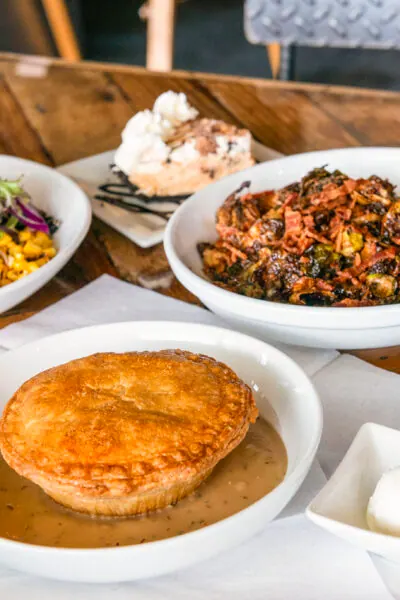
Seasonal menus reveal a lot about a bakery or cafe. They show restraint, timing, and confidence. Anyone can keep the same safe lineup year-round, but a kitchen that leans into the calendar usually understands ingredients at their peak and knows how to keep regulars interested without losing its identity. That is part of the appeal at Pie Cafe Colorado Springs. The menu has familiar comforts, but the seasonal selections are often where the place feels most alive.
A good pie cafe does more than swap in pumpkin for fall or berries for summer. It pays attention to texture, sweetness, acidity, and how a crust holds up in dry mountain air. Colorado Springs adds its own wrinkle to the equation. Altitude affects baking in subtle but real ways, and local dining habits shift with the weather. A bright July afternoon calls for something different than a cold November evening after the sun drops behind the Front Range. Seasonal favorites work best when they feel tuned to both the ingredient and the moment.
If you are trying pie cafe colorado springs for the first time, or if you already have a standard order and want a reason to branch out, the rotating seasonal choices are often the smartest place to look. They tend to capture what people actually crave at different times of year, not just what looks festive in a display case.
Why seasonal pies are worth ordering
Seasonal baking has a practical side that diners sometimes overlook. Fruit harvested closer to its natural season generally tastes more distinct. Strawberries are less watery in early summer. Apples have more structure and fragrance in fall. Citrus brings a sharper freshness in winter, when richer holiday foods can leave people wanting something cleaner on the palate. Those differences matter even more in pie, where the filling sits front and center and cannot hide behind elaborate decoration.
There is also the question of balance. The best seasonal pies usually arrive with a built-in logic. Berry pies belong to the months when people want desserts that feel lively and a little lighter. Spiced custards and nut-based fillings land better when temperatures drop and people naturally reach for deeper, toastier flavors. When a cafe pays attention to that rhythm, the menu starts to feel grounded rather than gimmicky.
At Pie Cafe Colorado Springs, that seasonal rhythm is part of the experience. You can often tell what time of year it is by scanning the case. That is a small pleasure, but a real one. It makes return visits feel different, even if the room itself stays familiar.
Spring brings the first truly fresh shift
Spring desserts have a narrow path to walk. Go too heavy, and they feel out of step with longer days and warming weather. Go too light, and they can come across as forgettable. The spring pies that stand out usually use acidity well. Rhubarb is a classic for a reason. It gives pie structure and brightness, and when paired with strawberries it softens just enough without turning into jammy sweetness.
A strawberry-rhubarb pie, when done properly, is one of the smartest spring orders you can make. The strawberries bring perfume and a rounded fruit note. The rhubarb keeps the filling from sagging into sugar. A strong version has visible fruit pieces, a filling that slices cleanly but still looks lush, and a crust that remains crisp along the bottom. That last detail sounds small, but it separates good pie from pie that simply photographs well.
Lemon also tends to shine in spring. Depending on the cafe’s rotation, that may show up as a lemon chess pie, a lemon cream pie, or a tart citrus variation with a meringue or whipped topping. The appeal is easy to understand. After winter’s denser desserts, citrus wakes up the palate. A balanced lemon pie should taste sharp first, then mellow. If it only tastes sweet, the kitchen missed the point.
Spring is also when many diners start pairing dessert differently. Coffee remains a constant, but iced drinks and lighter teas start making more sense. A lemon or berry slice with black tea can be excellent, especially if you want dessert without feeling weighed down for the rest of the afternoon.
Summer is where fruit pies can really show off
Summer often produces the pies people remember most vividly. Not because the recipes are more complex, but because ripe fruit does so much of the work. If the kitchen has access to good peaches, cherries, blueberries, or mixed berries, it does not need to overbuild the filling. In fact, restraint is usually the mark of quality.
Peach pie is a perfect example. At its best, it tastes unmistakably like peach and not like cinnamon with peach texture. The fruit should hold some shape. Too often, summer fruit pies are over-thickened to prevent leaks, leaving the filling gummy and dull. A strong peach pie accepts a little softness and shine. That is part of the pleasure. It should feel generous, not engineered.
Cherry pie creates a different kind of satisfaction. Good cherry filling has a deep, almost wine-like tartness underneath the sweetness. It cuts through a buttery crust beautifully. In a place like Colorado Springs, where summer afternoons can run hot and sunny but evenings cool down, cherry pie manages to fit both moods. It is refreshing enough for daytime, substantial enough for a post-dinner dessert.
Blueberry pie deserves more respect than it often gets. The bad versions are forgettable, but the good ones are outstanding. Fresh blueberry flavor is subtle, and the kitchen has to protect it. Too much spice overwhelms it. Too much sugar flattens it. When done right, blueberry pie tastes like concentrated summer, slightly floral and deeply fruity, with juices that stain the plate just enough to remind you it was made from real berries rather than a shelf-stable filling.
If you visit pie cafe colorado springs in summer, this is usually the season to follow the fruit rather than the category. Ask what came in especially well that week, or what regulars have been ordering repeatedly. Summer pie quality can shift with supply, and the best choice is often the pie whose ingredients arrived at exactly the right time.
The case for cobblers, hand pies, and chilled cream options
Not every seasonal favorite has to be a classic double-crust slice. Cafes that handle pastry well often use the season as a reason to branch into formats that suit casual eating. A fruit hand pie makes sense when people want something portable. A cobbler-style dessert works when the fruit is especially juicy and benefits from a looser topping. Chilled cream pies come into their own when summer heat makes traditional baked fillings feel too heavy.
This is where professional judgment matters. Some fruits improve with a full bake inside pastry. Others shine more in a cream-based presentation, where their freshness stands out against a cool filling. Think of a fresh strawberry cream pie or a coconut cream pie topped with seasonal garnish. Those are not the same experience as a warm fruit pie, nor should they be. A smart seasonal menu offers both moods.
If you are deciding between a baked fruit slice and a chilled cream pie, the weather is a fair tiebreaker. On a very warm day, a cream pie can be exactly right. On a cool summer evening after a thunderstorm, something baked, fragrant, and just slightly warm may hit the mark better.
Fall is when pie season feels official
There is a reason people associate pie so strongly with autumn. Fall ingredients naturally suit pastry. Apples soften without losing identity. Pears deepen and sweeten. Pumpkin and squash absorb warm spices well. Pecans toast beautifully. The whole season seems built for flour, butter, and ovens.
Apple pie remains the benchmark. It sounds ordinary until you have a really good slice. Then it reminds you why standards become standards. The filling should not collapse into mush, and the spice blend should support the apples rather than dominate them. Texture matters as much as flavor. A pie made with mixed apple varieties often performs better because one type brings tartness while another provides structure or perfume. Even if the cafe does not advertise the exact blend, you can usually taste when thought went into it.
Dutch apple, with its crumb https://felixaplb785.hexaforgey.com/posts/sweet-moments-start-at-pie-cafe-colorado-springs topping, offers a different pleasure. It is less about neat architecture and more about contrast. The topping adds crunch and buttery richness, while the apples stay soft and fragrant underneath. On a cool afternoon, that combination can be hard to beat with a cup of coffee.
Pumpkin pie also deserves a more careful assessment than it often gets. It is easy to dismiss pumpkin as obligatory holiday fare, but a well-made pumpkin pie is elegant. The custard should be silky, not grainy. The spice should feel warm and aromatic, not dusty or aggressive. The sweetness needs discipline. Too much sugar turns pumpkin into a vague vehicle for cinnamon. The best versions let the squash note remain visible, earthy and gently sweet.
Pecan pie brings a denser, more indulgent profile. It is rich, sticky, and deeply satisfying when you want dessert that borders on decadent. Yet there is a trade-off. A very sweet pecan pie can tire the palate after a few bites. That is why balance matters so much. Toasted nuts should contribute bitterness and roast flavor, not just texture. A little salt goes a long way here. If the kitchen gets that balance right, pecan pie can be one of the strongest fall or holiday choices on the menu.
Winter favors depth, spice, and comfort
Winter pie preferences often shift in a subtler way than people expect. Yes, diners still want comfort, but not always the heaviest option available. During the holiday stretch, rich desserts are everywhere. By January, many people begin craving desserts with warmth and character rather than sheer sweetness.
That is where spiced apple variations, chocolate silk pies, and citrus pies can all earn a place. Winter citrus is a quiet hero of seasonal baking. Orange, lemon, and even grapefruit notes can cut through holiday fatigue and refresh the palate. If the cafe offers a citrus-forward pie after weeks of dense seasonal desserts, it often feels exactly right.
Chocolate silk or French silk style pies tend to do well in winter because they deliver luxury without requiring the same spice profile as holiday desserts. Their success depends on texture. The filling should be smooth and airy enough to feel elegant, but substantial enough to justify the crust beneath it. A sloppy or overly sweet chocolate pie loses its charm quickly. A well-executed one feels polished and comforting at once.
Winter is also when simple service details matter more. A slice served slightly chilled versus fully refrigerated can taste completely different. Whipped cream that is lightly sweetened rather than sugary helps restore balance. Even the choice of drink pairing changes the experience. Strong coffee, hot tea, or a plain Americano often supports winter pies better than sweeter beverages.
How to choose the right seasonal slice for your taste
People often order pie by habit. They see apple, they get apple. There is nothing wrong with that, but seasonal menus reward a little self-awareness. The better question is not “What is the most popular pie?” It is “What kind of dessert mood am I in today?”
If you like sharper, cleaner flavors, spring and winter citrus options are usually a safe bet. If you prefer classic comfort with visible fruit and flaky pastry, summer berry or peach pies tend to satisfy. If what you really want is warmth, spice, and a familiar holiday feel, fall is your season.
Texture preferences matter too. Some diners love custard-style pies because they want a smooth, cohesive bite. Others want layered textures, juicy fruit, crisp crust, and maybe a crumb topping. At a place like Pie Cafe Colorado Springs, the range often covers both styles over the course of the year, so it makes sense to order according to texture as much as flavor.
One practical tip from experience: if you are torn between two options, choose the one that sounds harder to find elsewhere. Many cafes can produce a respectable apple or chocolate pie. A truly good seasonal peach, rhubarb, or fresh citrus pie is rarer and often more memorable.
Pairings that make a good slice better
Pie is forgiving, but pairings still matter. Coffee is the obvious companion, and for good reason. Its bitterness trims sweetness and gives richer pies structure. Apple, pecan, pumpkin, and chocolate all tend to benefit from coffee, especially if the roast is not too acidic.
Tea can be even better with fruit pies. Black tea works especially well with berry pies because it adds backbone without competing with delicate fruit notes. Herbal teas can be a mixed bag. Mint can overpower some pies, while chamomile can pair nicely with softer flavors like peach or pear. If you prefer cold drinks, unsweetened iced tea usually does a better job than soda, which often pushes the overall sweetness too far.
Temperature also changes perception. A slightly warmed apple or peach pie can taste far more aromatic than the same slice served cold. Cream pies, by contrast, usually shine when well chilled. This sounds obvious, but many disappointing dessert experiences come down to service temperature rather than the recipe itself.
What regulars tend to notice about seasonal menus
People who return to a pie cafe regularly are usually paying attention to more than flavor. They notice consistency, timing, and whether the kitchen knows when to stop offering something that has passed its peak. That last point matters. A seasonal pie should leave the menu when the ingredient quality slips, even if customers still ask for it.
That discipline is one reason seasonal favorites create loyalty. They feel earned. When a peach pie appears for a limited stretch and disappears before the fruit quality drops, it stays in your memory as something worth anticipating next year. The same is true of a well-made holiday pumpkin pie or a bright spring rhubarb slice. Scarcity, when tied to quality rather than marketing, gives a seasonal menu real credibility.
At pie cafe colorado springs, the most worthwhile seasonal picks are usually the ones that reflect that kind of timing. They do not just look appropriate for the month. They taste appropriate for it.
A few seasonal choices that rarely disappoint
When menus rotate, exact offerings can vary, but some seasonal directions are consistently strong because they align so well with ingredient cycles and diner expectations.
- Spring: strawberry-rhubarb or lemon-based pies for brightness and lift
- Summer: peach, cherry, blueberry, or mixed berry pies when fruit is truly ripe
- Fall: apple, Dutch apple, pumpkin, and pecan for classic warmth and depth
- Winter: chocolate silk, spiced apple, or citrus pies for comfort with contrast
That short list is not a ranking. It is more like a map. Your best order depends on whether you want tang, richness, spice, or fresh fruit character.
The best time to try something new
Seasonal pies are not just menu items. They are one of the few ways a cafe can make time visible. A spring slice tastes like relief after winter. A summer berry pie tastes like abundance. Fall pies bring nostalgia, but the best ones also bring technique. Winter pies remind you that comfort can be refined, not just heavy.
That is why the seasonal case at Pie Cafe Colorado Springs deserves attention, even from people who think they already know what they like. The familiar order will still be there. But the rotating favorites are often where the kitchen tells you what it cares about right now, what ingredients are speaking clearly, and what kind of experience fits the season outside the window.
The next time you stop in, take an extra minute before you order. Look past your usual choice. Ask what has been selling quickly, what came out especially well that day, or which pie the staff seems genuinely excited about. Seasonal desserts reward curiosity. And at a pie-focused cafe, curiosity usually tastes pretty good.
3.14 Pi Bar
5152 Centennial Blvd
Colorado Springs, CO 80919
(719) 314-6172
FAQ About pie cafe colorado springs
Does 3.14 Pi Bar serve sweet and savory pies?
Yes. The café serves savory pot pies and seasonal sweet pies made from scratch. Flavors can vary.
Can I order a whole pie to take home?
Yes. The café sells whole sweet pies to take home. Check the current menu for flavors and ordering options.
Does 3.14 Pi Bar offer take-and-bake pies?
Yes. The café offers prepared pies that you can bake at home. Check the current menu for available varieties.