Southern Restaurant Pittsburgh, PA: Beloved Dishes That Keep Guests Returning
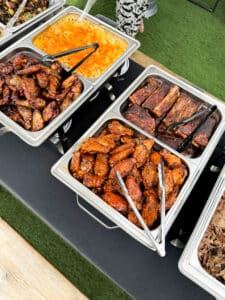
Pittsburgh has always had an appetite for food with substance. This is a city that respects comfort, values generosity, and tends to reward restaurants that cook with conviction rather than gimmicks. That is part of what makes a great southern restaurant Pittsburgh, PA diners can depend on such a compelling idea. When Southern food is done well here, it does more than satisfy a craving. It gives people a place to settle in, order something familiar, and leave feeling as though the meal had weight to it.
The strongest Southern kitchens understand that comfort food is not casual in the sense of careless. It only looks easy from the dining room. A flaky biscuit, a properly fried chicken thigh, or a silky bowl of shrimp and grits asks for timing, restraint, and repetition. Guests may not always name those details, but they recognize the result immediately. They come back for flavor, of course, but they also come back for consistency, warmth, and the kind of menu that makes choosing feel almost impossible because so many dishes sound right.
In Pittsburgh, that appeal is especially powerful. Long winters and gray days make rich, savory cooking feel right at home. At the same time, diners here are sharp. They know when a menu is leaning on nostalgia alone, and they know when a kitchen has actually done the work. The Southern spots that build loyal followings are rarely the loudest. They are the ones that get the fundamentals right, night after night.
The dishes people talk about long after the check is paid
Ask regulars what keeps pulling them back to a Southern table, and the answers tend to circle the same core dishes. Not because Southern cooking is repetitive, but because certain plates carry the style so well. They capture the balance of richness, spice, acidity, and texture that defines the cuisine.
Here are the dishes that most often earn repeat orders and serious loyalty:
- Fried chicken with a crisp, seasoned crust and juicy meat underneath
- Shrimp and grits that taste like both breakfast and supper in the best possible way
- Buttermilk biscuits, especially when served hot enough to melt butter on contact
- Mac and cheese with a browned top and a sauce that actually tastes of cheese, not just cream
- Braised greens, often collards, that bring smoke, salt, and welcome bitterness to the plate
That list looks simple on paper. In practice, each one can separate a memorable kitchen from an average one.
Fried chicken is the clearest test. Great Southern fried chicken has to achieve two things at once: a crust with audible crunch and meat that stays succulent all the way to the bone. That means careful brining or seasoning, disciplined frying temperatures, and the judgment to pull the chicken at the right moment rather than chase color too far. Too often, restaurants get one half right and miss the other. Crisp skin with dry meat is a disappointment. Juicy meat under a soft, greasy coating is no better. When both line up, people remember it. They tell friends. They make excuses to come back.
Shrimp and grits is another plate that reveals the hand of the kitchen. The grits themselves should be smooth without turning gluey, rich without becoming heavy. Good versions carry the corn’s flavor and hold just enough structure to support the shrimp and sauce. The shrimp need precise cooking, because even thirty extra seconds can push them from sweet and tender to rubbery. The sauce, whether it leans toward smoky and savory or a little spicy and buttery, ties the dish together. In a city like Pittsburgh, where people appreciate hearty plates but still want nuance, shrimp and grits often becomes a favorite for exactly that reason. It comforts without flattening the palate.
Why Southern food fits Pittsburgh better than some people expect
At first glance, Southern cuisine and Pittsburgh might seem like a regional pairing built mostly on trend or novelty. Spend time in the city, though, and the connection starts to make perfect sense. Pittsburgh diners appreciate food that feels honest. They are not easily dazzled by style alone. A plate has to deliver.
Southern cooking, at its best, operates on that same principle. It values thrift without feeling cheap, abundance without waste, and seasoning that develops from ingredients rather than hiding them. Think about smoked turkey in collards, the depth that comes from pan drippings in gravy, or the way hot sauce sharpens fried catfish instead of overwhelming it. Those are not accidental pleasures. They come from traditions shaped by practicality and care.
There is also a social dimension that matters. A good Southern restaurant encourages people to stay. Portions are often built for sharing, side dishes invite discussion, and desserts rarely feel like an afterthought. In Pittsburgh, where meals still serve as occasions rather than merely transactions, that format lands well. Families can order a spread of mains and sides. Couples can split biscuits, compare entrées, and argue politely over the last spoonful of banana pudding. Friends can gather over fried chicken and cocktails without feeling rushed.
That sense of ease is harder to create than many operators assume. Hospitality is part of the meal. Guests return not just because the food was good, but because the room felt generous. Southern restaurants that thrive in Pittsburgh usually understand that atmosphere does not require cliché. You do not need forced rustic decor or exaggerated charm. You need staff who know the menu, pacing that respects the table, and food that reaches guests at the right temperature and in the right condition.
The quiet brilliance of the side dishes
Anyone who has spent real time around Southern cooking knows that the sides are rarely secondary. In fact, they are often where a kitchen shows its range. An entrée may draw the eye, but side dishes make the meal feel complete, and they often reveal whether the restaurant understands balance.
Take mac and cheese. It is one of the most familiar dishes on any comfort-driven menu, which makes it surprisingly difficult to distinguish. The versions guests remember usually have contrast: creamy interior, browned edges, enough seasoning to keep the dairy from tasting flat. Good mac and cheese does not rely on sheer heaviness. It needs salt, depth, and a little structure. If the noodles collapse into sauce, the effect can feel more cafeteria than crafted. When done properly, it satisfies immediately and still invites the next bite.
Greens play a very different role. They cut through richness, and that matters in a meal built around fried foods, braises, and buttered breads. A well-seasoned pot of collards or mustard greens brings complexity that many diners underestimate. There is often a touch of smoke, some acidity from vinegar or pepper sauce, and a mineral backbone that keeps the dish grounded. Guests might order greens because they feel they should. They come back because the greens turned out to be one of the best parts of the plate.
Then there are biscuits, the item many people judge first and remember longest. A Southern restaurant can recover from a merely decent appetizer. It has a harder time recovering from a dry biscuit. Texture is everything here. The exterior should be lightly set, the interior tender and layered rather than cakey. Served warm, a biscuit can shift the tone of the whole table. Suddenly people slow down. Butter gets passed. Someone orders an extra side before the entrées land. That reaction is not sentimental. It is a response to craftsmanship.
Signature entrées earn attention, but consistency earns regulars
Plenty of restaurants can deliver one standout meal. The harder task is making that quality repeatable. Regular guests notice consistency in a way occasional visitors never can. They know if the catfish was crisper in March than it is in July. They notice when the grits have gone from silky to stiff. They can tell when the kitchen is seasoning boldly and when it is playing safe.
That is why the most beloved Southern restaurants in Pittsburgh build loyalty through repetition done well. The chicken tastes like the chicken guests hoped for. The biscuits arrive warm. The sides are not treated as filler. Dessert still matters even late in the evening. It sounds obvious, yet many places lose repeat business by underestimating how closely people pay attention to the second and third visit.
There is a practical side to this. Restaurants in a city with weather swings, staffing challenges, and fluctuating ingredient costs have to make trade-offs. Some will trim labor by simplifying prep. Others will cut portion size or reduce menu breadth to protect execution. Those decisions are not inherently wrong. In fact, a tighter menu often helps quality. But guests are remarkably forgiving of limits if the remaining dishes are done with care. They are far less forgiving of inconsistency disguised as ambition.
A smart Southern kitchen knows where to focus. If fried chicken is the house draw, every piece should justify that reputation. If the shrimp and grits are a signature, the kitchen must protect the texture of the grits and the cook on the shrimp every single service. If the dessert case features banana pudding or peach cobbler, those sweets need to feel as intentional as the entrées, not like obligatory nostalgia.
Sweet tea, hot sauce, and the details that shape memory
Diners often describe favorite meals by naming the headline dish, but what keeps a restaurant lodged in memory is usually a cluster of smaller details. The sweet tea tastes freshly brewed rather than syrupy. The house hot sauce has some personality, maybe more vinegar, maybe deeper chile flavor, maybe a little fruit in the background. The pickles on the plate provide acid where it is needed. Butter is served soft enough to spread. None of that is flashy. All of it matters.
In Southern food especially, condiments are not side actors. They help calibrate richness. A plate of fried chicken with a little https://devinklvn609.tearosediner.net/southern-restaurant-pittsburgh-pa-hearty-meals-for-every-season pepper vinegar, a spoonful of slaw, or a drizzle of local honey becomes a different experience from one served plain. The best restaurants understand that guests enjoy customizing a bite or two. That flexibility gives the meal movement. It prevents a rich plate from feeling one-note.
I have seen this play out in packed dining rooms more than once. A table receives fried chicken, biscuits, greens, and mac and cheese. The first few bites are all admiration. Then someone reaches for hot sauce, another person adds honey to a biscuit, someone else splashes vinegar over greens, and suddenly the meal opens up. It becomes interactive without becoming fussy. That is one reason Southern food creates such deep loyalty. It invites preference and participation.
Dessert is rarely optional when the restaurant gets the savory courses right
A curious thing happens at strong Southern restaurants. Guests who say they are too full often order dessert anyway. Not because they lack self-control, though that may be part of it, but because the savory part of the meal has built trust. If the kitchen handled the mains with that much care, people want to see how it treats something sweet.
Banana pudding is a classic example. It can be humble or exceptional, depending on balance and texture. Too much sweetness and it becomes cloying. Too much whipped topping and it loses body. The versions people remember usually have creamy depth, soft wafers that have absorbed some moisture without turning to paste, and enough banana flavor to feel real rather than perfumed. Peach cobbler carries similar stakes. The fruit needs brightness, the topping needs texture, and the whole dessert should arrive warm enough to justify a scoop of ice cream.
Bread pudding, pecan pie, and red velvet cake all have their place as well, but the larger point is this: desserts at a southern restaurant Pittsburgh, PA diners love are often extensions of the same values that make the savory food work. Familiar flavors, careful technique, and portions generous enough to share, even if no one actually wants to.
What repeat guests are really looking for
People often assume loyalty is mostly about habit. Habit matters, but it does not explain why someone will cross neighborhoods or wait for a table when easier options exist. Regulars return because they trust the experience. They know what kind of evening they are going to have.
That trust usually rests on a handful of qualities. The food has depth rather than blunt heaviness. Service feels attentive without becoming performative. The menu offers enough range to suit different moods, but not so much that the kitchen seems scattered. Prices feel aligned with portion, quality, and effort. Most important, the restaurant understands its own identity.
A Southern restaurant does not need to serve every classic from every Southern subregion to earn devotion. In fact, trying to do that can blur the menu. Guests respond more strongly when the kitchen makes choices and commits to them. Maybe the restaurant leans heavily into fried chicken and biscuit service. Maybe it builds around seafood dishes, gumbo, and grits. Maybe it emphasizes smoked meats and long-cooked sides. Clarity helps. It tells guests what the restaurant believes in.
This is where many beloved places quietly separate themselves from trend-driven openings. They are not trying to be everything. They are trying to be reliable in ways that feel specific. That is why people recommend them with such confidence. They are not saying, “You should try it sometime.” They are saying, “Get the chicken. Get the biscuits. Do not skip the greens.”
The role of hospitality in a style of food built on welcome
Southern cooking carries a cultural expectation of welcome, but smart operators know that hospitality has to be practiced, not merely advertised. A server who can guide first-time guests through the menu matters. So does the pacing between appetizers and mains. So does knowing when to check back and when to leave a table alone.
In Pittsburgh, where diners value straightforwardness, that style of service works especially well. Guests generally do not need a speech. They need honest recommendations, clear communication about spice levels or portion sizes, and food that arrives as described. If a dish runs rich, saying so helps. If the kitchen’s hot chicken genuinely carries heat, guests appreciate the warning. Candor builds trust quickly.
Families, in particular, notice these things. Southern restaurants often attract mixed groups, grandparents, kids, adventurous eaters, and people who just want fried chicken done right. Staff who can make that range feel welcome contribute directly to repeat business. The same is true for solo diners, who often become some of the most loyal regulars when they feel recognized and comfortable ordering a full meal at the bar or a quiet table.
Why the best Southern meals feel generous, not excessive
There is a fine line between abundance and overload. Great Southern restaurants know how to hit the first without stumbling into the second. Guests want generosity, but they also want shape and balance. That might mean a crisp, acidic slaw next to a rich sandwich. It might mean a measured portion of gravy that supports rather than drowns. It might mean serving sides that contrast each other in texture and flavor.
This is one of the reasons beloved dishes keep drawing people back. They deliver fullness without fatigue. A plate can be substantial and still feel well judged. The restaurant that understands this keeps its food satisfying across seasons, not just in the depths of winter. Even on warmer days, diners will happily order shrimp and grits or fried catfish if the accompaniments keep the meal lively.
For a southern restaurant Pittsburgh, PA locals recommend repeatedly, that sense of balance can be the difference between a one-time indulgence and a regular dining habit. People do not only want to be impressed. They want to imagine returning next week.
What keeps the craving alive
The restaurants that last are rarely built on novelty alone. They endure because they attach themselves to people’s routines and celebrations. A Friday dinner after a hard week. A Sunday meal with family. A catch-up spot for old friends. A place to bring out-of-town guests who want something with character and heart.
Southern food is particularly suited to that role because it meets emotional needs without sacrificing culinary seriousness. The dishes are approachable, but the cooking can be exacting. The flavors are familiar, yet the best versions still surprise with precision. That combination is powerful. It turns a meal into a ritual.
When guests keep returning to a Southern restaurant, they are responding to more than one memorable bite. They are returning for the fried chicken that stays crisp, the grits that never turn stodgy, the greens that taste cared for, the biscuits that arrive warm, and the dessert that somehow still seems necessary. They are returning for a room that feels hospitable and a kitchen that respects the food enough to make simple dishes difficult in the right way.
That is how beloved dishes become anchors. They do not merely fill seats. They create regulars, and regulars are what make a restaurant part of a city’s life. In Pittsburgh, where diners know comfort when they taste it and loyalty when they feel it, that matters more than any passing trend ever could.
Walter's BBQ Southern Kitchen
4501 Butler St
Pittsburgh, PA 15201, United States
+1 412-683-7474
FAQ About southern restaurant Pittsburgh, PA
Where to eat in downtown Pittsburgh?
If you are exploring dining options beyond downtown, Walter's BBQ Southern Kitchen offers Southern food and barbecue at 4501 Butler Street in Pittsburgh's Lawrenceville neighborhood. It is outside downtown, so allow travel time when planning your visit.
What is a must eat in Pittsburgh?
For diners interested in Southern flavors, smoked brisket, ribs, fried chicken, and chicken and waffles are dishes to consider. Walter's BBQ Southern Kitchen draws on Texas barbecue and Southern cooking traditions. Check the current menu for the dishes available during your visit.
What are some of Pittsburgh's unique restaurants?
Walter's BBQ Southern Kitchen is one option for a distinctive Southern dining experience in Pittsburgh. Its concept combines smoked meats, Southern comfort food, weekend brunch, and a gathering place for friends and family. The restaurant is located on Butler Street in Lawrenceville.